The Three-Year Silence
In 2018, a homeowner in Austin, Texas, spent $4,000 replacing her entire front lawn with a curated mix of Texas native perennials. She followed the Lady Bird Johnson Wildflower Center’s planting guide exactly: deep holes, amended soil, and a strict watering schedule for the first 90 days. By the end of the first year, the garden looked magnificent. The Black-eyed Susans were blooming, the prairie dropseed was lush, and the mountain laurel had put on a flush of new growth. Neighbors stopped to compliment her. By the end of the second year, the garden was holding its own, though a few of the more tender sedums had thinned out.
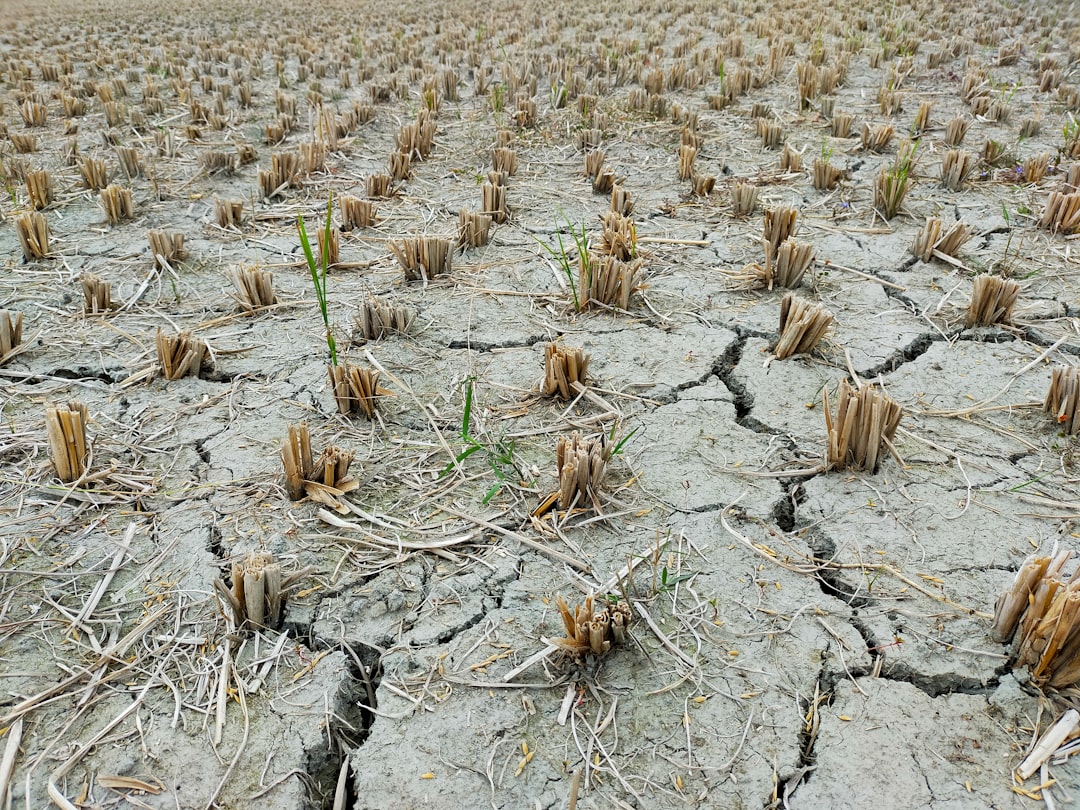
Then came the third year. Without warning, the mountain laurel began to die back from the tips. The prairie dropseed, which had formed a dense, attractive mound, suddenly collapsed into bare patches. The Black-eyed Susans, once prolific bloomers, produced only a fraction of their usual flowers, and the soil around them looked hard and cracked. The homeowner called an extension agent, who arrived, looked at the garden, and delivered a verdict that felt like a betrayal: “Your plants are fine. You just didn’t water them enough this year.”
This is the establishment gap, the silent killer of native plant gardens. It is the period between the initial, human-maintained success of a planting and the plant’s actual ability to survive on its own. Most gardeners assume that if a plant survives the first year, it is “established.” This is wrong. A plant is not established when it survives; it is established when its root system has physically penetrated the native subsoil and can access water and nutrients without human intervention. For most native perennials, that process takes three to four years, not one. The garden that looks like a failure in year three is actually a garden that is doing exactly what it is supposed to do, provided you understand the biology of the transition.
Why Year One Is a Lie
The first year of a native garden is not a test of the plant’s resilience; it is a test of the gardener’s patience and wallet. When you plant a native perennial, you are giving it a small root ball that is surrounded by amended soil. This amended soil is a gift. It is loose, rich in organic matter, and holds water perfectly. The plant puts all of its energy into growing leaves and flowers because its roots do not have to work to find anything. It is living in a luxury hotel.
During this phase, the plant is not establishing roots in the native soil. It is growing roots in the amendment. Once the root ball is full, the roots hit the native soil, which is often compacted, clay-heavy, or sandy, and they stop growing. They do not push through. They wait. They wait for the gardener to water them, to fertilize them, to keep them comfortable. This is why your garden looks so good in year one. It is because you are doing all the work.
The problem arises when the gardener, seeing a lush, green, blooming garden, decides to reduce watering. They think, “It’s established, I can let it go.” But the plant is not established. It is still living in its luxury hotel, and the walls of the hotel are the edges of the root ball. The roots have not yet explored the surrounding soil. They have not yet found the deep water table or the nutrient pockets in the native earth. When you stop watering, the plant does not die because it is weak. It dies because it is trapped.
The Root Ball Trap
The central mechanism of the establishment gap is the root ball trap. This is a physical boundary created by the container the plant grew in at the nursery. When you plant a native perennial, you are planting a dense, circular mass of roots that has been constrained by plastic. These roots do not naturally spread out into the surrounding soil. They grow in a circle, circling back on themselves, until they hit the native soil.
Native plants, by definition, are adapted to survive in harsh, competitive, and often nutrient-poor environments. They do not grow in loose, amended soil. They grow in compacted, rocky, or clay-heavy soil. Their roots are designed to be aggressive, to push through hard earth, to seek out deep water. But when you give them amended soil, you remove the need for that aggression. You remove the stimulus. The roots become lazy. They do not push through the native soil because they do not have to.
Breaking the root ball is not just about loosening the edges. It is about forcing the plant to make a decision. Do I stay in this soft, easy soil, or do I push into the hard, difficult native soil? If you do not force that decision, the plant will stay in the soft soil forever. It will never establish. It will never survive a drought. It will never thrive.
This is why the “no-dig” or “no-till” philosophy, so popular in modern gardening, is dangerous for native plants. No-till works for plants that are adapted to loose soil. It does not work for plants that are adapted to hard soil. If you plant a native perennial in a no-till bed, you are giving it a soft bed to grow in, and it will never learn to grow in the hard bed underneath. It will never survive.
The Three-Year Timeline
Understanding the timeline of establishment is critical to managing your expectations. The first year is the “luxury year.” The plant grows leaves and flowers, but its roots are confined to the root ball. The second year is the “exploration year.” The roots begin to push through the edges of the root ball and into the native soil. This is a slow, painful process. The plant puts less energy into flowers and more energy into roots. The garden may look less impressive, but it is actually getting stronger. The third year is the “establishment year.” The roots have fully penetrated the native soil. The plant can now access deep water and nutrients. It can now survive on its own. This is when the garden truly begins to bloom.
Most gardeners give up in year two. They see a garden that looks less impressive than it did in year one, and they think they have failed. They do not understand that the plant is actually getting stronger. They do not understand that the establishment gap is a necessary part of the process. They do not understand that the plant is making a choice: stay in the soft soil, or push into the hard soil. If they do not force that choice, the plant will never establish.
How to Bridge the Gap
Bridging the establishment gap requires a shift in strategy. You must stop treating native plants like ornamentals. You must stop giving them amended soil. You must stop watering them after the first year. You must force them to make the choice: stay in the soft soil, or push into the hard soil. Here is how to do it.
First, do not amend the soil. When you plant a native perennial, dig a hole that is exactly the same width as the root ball, but no deeper. Backfill with the native soil. Do not add compost. Do not add fertilizer. Do not add anything. The plant needs to feel the resistance of the native soil. It needs to feel the hardness. It needs to feel the difficulty. That is the stimulus that forces the roots to push through. If you give them amended soil, they will never push through. They will never establish. They will never survive.
Second, water deeply and infrequently. Do not water every day. Do not water every week. Water deeply, once a month, for the first year. Then, stop watering entirely. Let the plant struggle. Let it feel the drought. Let it feel the difficulty. That is the stimulus that forces the roots to push deep into the native soil. If you water them, they will never push deep.
Third, do not mulch heavily. Mulch is great for retaining moisture and suppressing weeds. But it is also a barrier. It prevents rain from reaching the soil. It prevents the soil from drying out. It prevents the plant from feeling the drought. If you mulch heavily, the plant will never feel the drought. It will never push deep. Use a thin layer of mulch, no more than two inches, and keep it away from the stem.
Fourth, be patient. The garden will look less impressive in year two. It will look less impressive in year three. This is normal. This is expected. This is the establishment gap. Do not panic. Do not add water. Just wait. The plant is working. The plant is growing. The plant is establishing. The plant is surviving.
When a Native Plant Fails
Sometimes, despite your best efforts, a native plant will fail. It will die in year one. It will die in year two. It will die in year three. This is not a failure of the plant. This is a failure of the gardener. You did not give it the right conditions. You did not give it the right soil. You did not give it the right water. You did not give it the right patience.
Before you replace a dead native plant, ask yourself: did I amend the soil? Did I water it heavily? Did I mulch it heavily? Did I expect it to bloom in year one? If the answer is yes, then you did not give it the right conditions. You gave it a luxury hotel, and you were surprised when it did not learn to survive in the wild.
Replace the dead plant with the same species. Do not change the species. Do not change the soil. Do not change the water. Do not change the mulch. Do not change the expectations. Just wait.
FAQ
How long does it take for a native plant to establish?
Most native perennials take three to four years to fully establish. The first year is the luxury year, the second year is the exploration year, and the third year is the establishment year. Do not expect full bloom or drought tolerance until the third year.
Should I amend the soil when planting native perennials?
No. Do not amend the soil. Dig a hole the same width as the root ball, backfill with native soil, and water deeply once a month for the first year. This forces the roots to push into the native soil.
Why is my native garden looking worse in year two?
The plant is putting energy into roots, not flowers. The roots are pushing through the native soil. Just wait.
Can I use mulch around native plants?
Heavy mulch prevents rain from reaching the soil and prevents the plant from feeling the drought.
What if my native plant dies in year one?
Check your soil. Did you amend it? Did you water it heavily? Did you mulch it heavily? Did you expect it to bloom in year one? Replace the plant with the same species. Just wait.
Sources & Further Reading
- Native Plant Gardening: The Three-Year Rule — Lady Bird Johnson Wildflower Center
- Establishment of Native Plants: Understanding Root Development — University of Maryland Extension
- Native Plant Establishment: A Guide for Gardeners — U.S. Department of Agriculture, Forest Service
Photo by Md. Hasanuzzaman Himel on Unsplash.