You’ve been told to prune tomato plants to get more fruit. That advice is technically true for the current season, but it contains a hidden cost that most gardeners ignore until August. You snip a sucker, you feel productive, and you move on. The problem is that you are not just managing the plant’s shape. You are managing its future reproductive capacity, and pruning at the wrong time or in the wrong place actively destroys next year’s harvest potential. The timing rule that saves it is not about how much you cut, but when you cut relative to the plant’s woody tissue formation.
Most gardeners treat pruning as a maintenance chore, a way to keep the plant from collapsing under its own weight. They follow the basic rule of removing suckers and lower leaves until the first fruit cluster sets. This works fine for the current season’s yield. But it fails to account for the plant’s long-term structural biology. Pruning is not just about removing excess growth. It is about controlling the plant’s hormonal balance and its ability to store energy for the following season.
Why Pruning Destroys Next Year’s Harvest
When you prune a tomato plant, you are not just removing leaves. You are removing the plant’s primary energy-generating factories. Every leaf is a solar panel, and every sucker is a potential fruiting branch. When you remove them, you force the plant to divert energy from its root system and its main stem to repair the wound and regrow the lost tissue. This is a massive energy expenditure that directly reduces the size and quality of the fruit you are trying to protect.
But the real damage to next year’s harvest happens below the soil line. Tomato plants are not annuals in the strict botanical sense. They are tender perennials that can live for several years if kept warm and protected. In a garden setting, we treat them as annuals because we pull them at the end of the season. However, if you ever want to overwinter a tomato plant, or if you are growing them in a large container that you can move indoors, the structural integrity of the main stem is everything.
When you prune aggressively, you leave behind weak, leafless stubs. These stubs are highly susceptible to fungal infections and rot. They do not store energy. They do not produce flowers. They are dead weight that the plant must carry. If you plan to overwinter your tomato plant, these stubs will rot, killing the plant before spring arrives. Even if you do not plan to overwinter, the energy you waste on regrowing these stubs is energy that could have gone into building a thicker, more resilient main stem that survives the winter better.
The Timing Rule That Saves Your Harvest
The timing rule that saves your harvest is simple: prune only when the plant has formed at least three true flower clusters, and only remove growth that is below the first flower cluster. This is not a suggestion. It is a biological requirement for maximizing both current and future yield. Before the third flower cluster, the plant is in its vegetative growth phase. It is building its root system and its main stem. Any pruning during this phase delays fruit set and reduces the plant’s overall vigor.
Once the third flower cluster has formed, the plant has shifted into its reproductive phase. It is now focused on producing fruit. At this point, you can begin to prune suckers and lower leaves. But you must do so carefully. Never remove more than one-third of the plant’s total foliage at any single time. This prevents shock and allows the plant to maintain enough photosynthetic capacity to support the developing fruit.
The key to saving next year’s harvest is to leave the main stem intact. You are removing the plant’s ability to store energy in its main stem. If you cut the main stem too low, you remove the plant’s ability to store energy for the following season. This is why gardeners who prune aggressively every year often find that their plants produce less fruit over time. They are slowly killing the plant’s long-term productivity.
How to Prune Without Killing Next Year’s Harvest
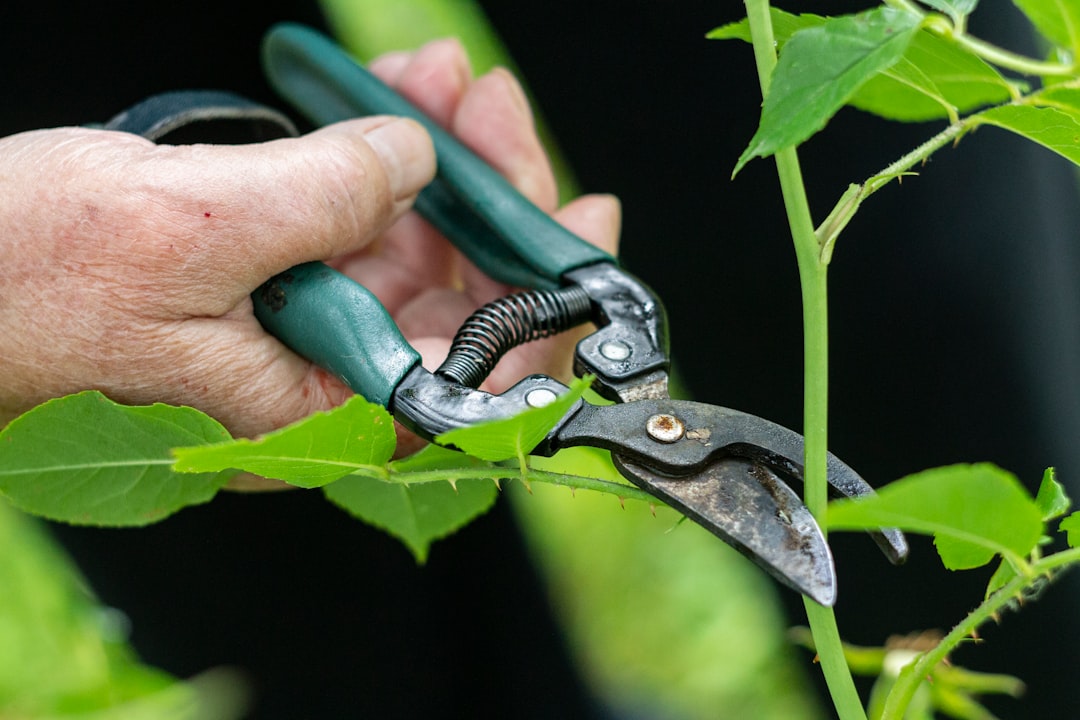
To prune without killing next year’s harvest, you must follow a specific sequence of steps. First, identify the main stem. This is the thickest, strongest stem that grows directly from the base of the plant. Do not cut this stem unless it is damaged or diseased. Second, identify the suckers. These are the small shoots that grow in the leaf axils, between the main stem and the branches. Remove these suckers when they are small, no larger than two inches. Do not wait until they are large. Large suckers take more energy to remove and cause more shock to the plant.
Third, identify the lower leaves. These are the leaves closest to the ground. Remove these leaves to improve air circulation and reduce the risk of soil-borne diseases. Do not remove leaves above the first flower cluster. These leaves are essential for supporting the developing fruit. Fourth, identify the branches. These are the large stems that grow from the main stem. Do not cut these branches unless they are damaged or diseased. These branches produce the fruit. Cutting them reduces your harvest.
Finally, identify the top of the plant. This is the growing tip. Do not cut the top of the plant until the last flower cluster has set fruit. This allows the plant to continue producing fruit until the end of the season. If you cut the top too early, you reduce the plant’s overall yield. By following these steps, you can maximize your current harvest while preserving the plant’s long-term productivity.
When Pruning Fails: The Exceptions
Not all tomato plants respond to pruning in the same way. Some varieties, particularly determinate or bush-type tomatoes, do not benefit from pruning at all. These plants are bred to produce all their fruit at once, and pruning them only reduces their overall yield. If you are growing a determinate variety, do not prune it. Let it grow naturally and produce its fruit. Pruning a determinate tomato is like pruning a bush that is designed to be a tree. It will not work.
Another exception is when the plant is diseased. If your tomato plant is showing signs of blight, wilt, or other diseases, you may need to prune more aggressively to save the plant. In this case, remove all affected leaves and branches, and dispose of them properly. Do not compost diseased plant material. Burn it or throw it in the trash. This prevents the disease from spreading to other plants in your garden.
A third exception is when the plant is overcrowded. If you have planted too many tomato plants too close together, you may need to prune some of them to improve air circulation and reduce competition for resources. In this case, remove the weakest plants and let the strongest ones thrive. This is a form of pruning that is necessary for the health of the entire garden, even if it reduces the yield of the individual plant.
The Honest Limits of Pruning
Pruning is a powerful tool, but it is not a magic bullet. It cannot save a plant that is dying from root rot, or a plant that is suffering from nutrient deficiency. If your tomato plants are not producing fruit, pruning will not fix the problem. You need to address the underlying cause, whether it is poor soil, inadequate water, or lack of sunlight. Pruning is a secondary management tool, not a primary solution.
Furthermore, pruning takes time and effort. If you have a large garden with many tomato plants, pruning each one individually can be a significant time commitment. In this case, you may need to prioritize which plants to prune and which to leave alone. Focus on the plants that are most likely to produce a high yield, and let the weaker plants grow naturally. This is a practical decision that balances the benefits of pruning against the costs of labor.
Finally, pruning does not guarantee success. Even if you follow all the rules, your tomato plants may still fail to produce fruit. This can happen due to extreme weather, pest infestations, or other unforeseen factors. Pruning is just one part of a successful gardening strategy. You must also pay attention to soil health, water management, and pest control. If you neglect these other aspects, no amount of pruning will save your harvest.
Why This Matters Beyond the Garden
The lesson here is not just about tomatoes. It is about how we manage our resources. We often focus on short-term gains, pruning and cutting back to get immediate results. But we rarely consider the long-term consequences of our actions. By pruning tomato plants aggressively, we may get more fruit this year, but we sacrifice the plant’s ability to produce fruit next year. This is a microcosm of a much larger problem in our society. We consume resources faster than they can be replenished, sacrificing our future for our present.
The timing rule that saves your harvest is a reminder that sustainability requires patience. It requires us to slow down, to think ahead, and to make decisions that benefit not just today, but tomorrow. By applying this rule to your tomato plants, you are not just growing more fruit. You are practicing a form of stewardship that honors the long-term health of the plant and the soil. This is a small step, but it is a step in the right direction.
FAQ
Q: Can I prune my tomato plants in the fall?
A: No. Do not prune your tomato plants in the fall. Pruning stimulates new growth, which is highly susceptible to frost damage. If you need to clean up your garden, simply pull the plants out and dispose of them. Do not leave stubs that can harbor disease.
Q: How do I know if my tomato plant is determinate or indeterminate?
A: Determinate tomatoes grow to a fixed height and produce all their fruit at once. Indeterminate tomatoes continue to grow and produce fruit until killed by frost. Check the seed packet or the plant label. If it says “bush” or “determinate,” do not prune it.
Q: What is a sucker, and why should I remove it?
A: A sucker is a small shoot that grows in the leaf axil, between the main stem and the branches. Removing suckers directs the plant’s energy toward fruit production rather than vegetative growth. However, do not remove suckers until the plant has formed at least three flower clusters.
Q: Can I overwinter my tomato plants?
A: Yes, you can overwinter tomato plants if you move them indoors before the first frost. To do this, prune them back to about one-third of their original size, ensuring you leave the main stem and at least three flower clusters intact. Keep them in a bright, cool location and water sparingly.
Q: What happens if I prune my tomato plants too much?
A: If you prune too much, you reduce the plant’s ability to photosynthesize, which reduces its overall yield. You also increase the risk of sunscald on the remaining fruit, as the leaves that normally provide shade are gone.
Sources & Further Reading
- Tomato Production in Home Gardens — Penn State Extension
- Pruning Tomatoes — United States Department of Agriculture
- Tomato Planting, Care, and Harvesting — University of Illinois Extension
Photo by Margarita Shtyfura on Unsplash.