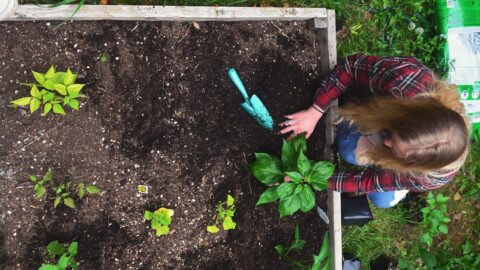
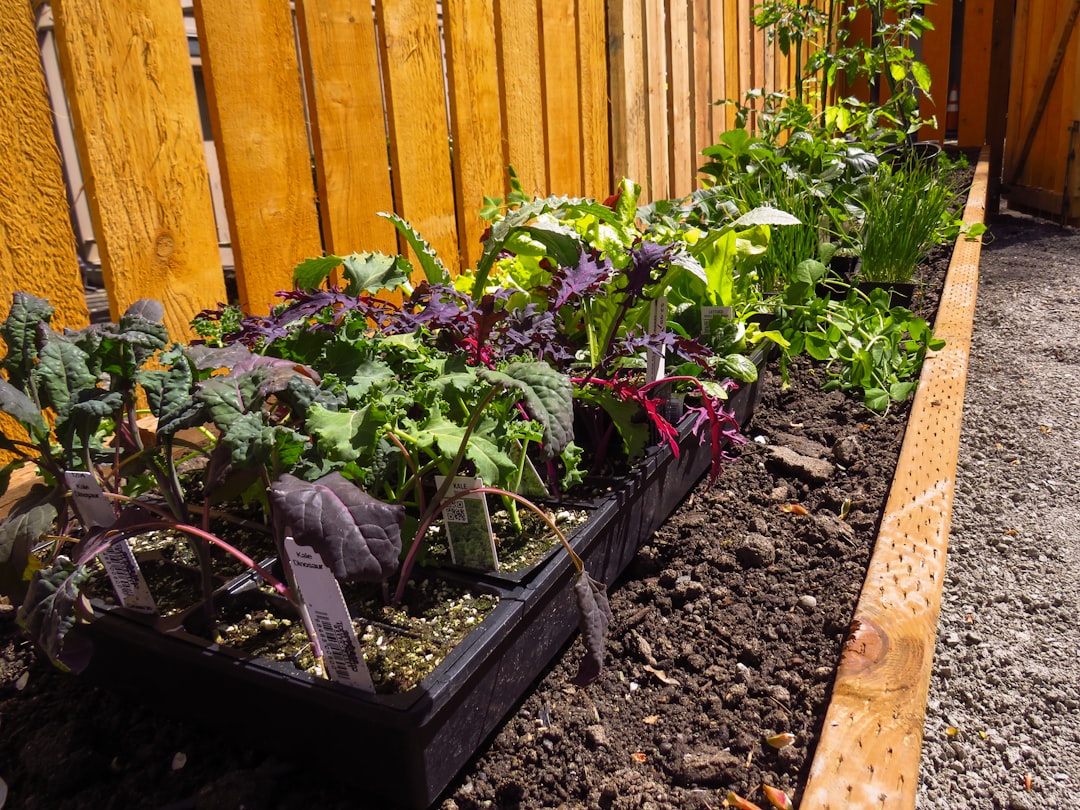
You stand over a raised bed, a packet of basil in one hand and a tomato seedling in the other, and you plant them side by side because that is what every gardening book, every seed packet, and every well-meaning neighbor has told you to do since you were a child. You have done it for a decade. You have watched the basil turn yellow, you have watched the tomato leaves curl, and you have watched the aphids move directly from the basil into the tomato stems, because you were never told that the two plants are actually competing for the exact same soil nutrients at the exact same time, and that your bed space is being wasted on a friendship that does not exist.
Planting basil next to tomatoes is not a mistake in taste. It is a mistake in biology. The reason it fails is not because basil is a bad plant, or because tomatoes are too aggressive. The reason it fails is because both plants are heavy feeders that require high nitrogen levels to produce foliage, and when you plant them together, they enter a silent, constant tug-of-war for that nitrogen. The result is two plants that are both slightly starving, both more susceptible to pests, and both producing less fruit than they would if they were given their own space. The myth that basil repels pests or improves tomato flavor is a comforting story, but it is not supported by the data. The data shows that they compete. And when they compete, your bed space is wasted.
Why the Basil and Tomato Partnership Is a Biological Lie
The idea that basil and tomatoes are natural partners is one of the most persistent myths in home gardening. It is repeated on seed packets, in nursery displays, and in casual conversation with such confidence that questioning it feels like questioning the sky. But when you look at the actual plant physiology, the partnership falls apart immediately. Both Solanum lycopersicum (tomato) and Ocimum basilicum (basil) are classified as heavy feeders. They are both members of families that evolved in nutrient-rich environments, and they both demand high levels of nitrogen to build the massive leaf structures required to support fruit production or aromatic oil production.
When you plant them together, you are not creating a symbiotic relationship. You are creating a resource bottleneck. The tomato plant, which is a vigorous, deep-rooted perennial grown as an annual, will aggressively draw nitrogen from the top six inches of soil. The basil plant, which has a shallower, more fibrous root system, will draw the exact same nitrogen from the top two inches of soil. They are not helping each other. They are fighting each other for the same limited resource. The result is a bed where both plants are slightly stunted, slightly stressed, and slightly more vulnerable to the pests and diseases that attack stressed plants.
This is not a theoretical concern. It is a practical reality that every gardener who has planted basil next to tomatoes and wondered why their tomatoes never reached full size has experienced. The solution is not to stop planting basil. The solution is to stop planting it next to tomatoes. Give them space. Give them their own beds. Give them their own containers. And watch what happens when they are no longer competing for the same nutrients.
Which Companion Plants Actually Work for Tomatoes
If you are looking for companions that actually work, you need to look for plants that do not compete with tomatoes for the same resources, and that actively benefit the tomato plant through physical or chemical means. The most effective companions are those that fix nitrogen, those that repel specific pests, and those that provide physical shade or support. These are not myths. They are documented, measurable benefits that you can replicate in your own garden.
Marigolds (Tagetes spp.) are the most well-documented companion for tomatoes. They release alpha-terthienyl, a compound that suppresses root-knot nematodes in the soil. This is not a vague “repels bugs” claim. This is a specific, measurable chemical interaction that has been documented in university extension trials. Plant marigolds around the perimeter of your tomato bed, and you will see fewer nematode damage signs on your tomato roots. It is a simple, effective, and scientifically supported strategy.
Borage (Borago officinalis) is another excellent companion. It attracts pollinators, which improves fruit set, and it is believed to improve the flavor of tomatoes, though the flavor claim is harder to measure than the pollination benefit. Borage is also a dynamic accumulator, drawing calcium and potassium from deep in the soil and making them available to the tomato plant as the borage leaves decompose. This is a true symbiotic relationship, and it is one that works.
Carrots (Daucus carota) are a physical companion. They do not compete for nutrients. They grow deep, narrow roots that break up compacted soil, allowing oxygen and water to reach the tomato roots. They do not shade the tomatoes. They do not compete for nitrogen. They simply improve the soil structure, which benefits the tomato plant. This is a practical, physical benefit that is easy to implement and easy to measure.
Which Companion Plants Actually Work for Peppers
Peppers (Capsicum spp.) are closely related to tomatoes, and they share many of the same growing requirements. They are also heavy feeders, and they are also susceptible to the same pests. This means that the companion planting strategy for peppers is very similar to the strategy for tomatoes, with one key difference: peppers are more sensitive to nitrogen overload. Too much nitrogen will produce massive plants with few peppers. This is why the companion planting strategy for peppers must be carefully balanced.
Onions (Allium cepa) and garlic (Allium sativum) are excellent companions for peppers. They belong to the Allium family, which produces sulfur compounds that repel aphids, spider mites, and other soft-bodied pests. These pests are the primary enemies of pepper plants, and planting onions or garlic around the perimeter of your pepper bed will significantly reduce pest pressure. This is a chemical defense mechanism that is well-documented and easy to implement.
Basil is actually a good companion for peppers, but not for the reason most gardeners think. It is not because basil repels pests. It is because basil provides light shade for the pepper plants, which reduces heat stress and improves fruit quality. This is a physical benefit, not a chemical one, and it is one that works. But do not plant basil directly next to the pepper stems. Plant it on the south side of the bed, where it will provide shade without competing for nutrients.
Which Companion Plants Actually Work for Strawberries
Strawberries (Fragaria × ananassa) are a different story entirely. They are shallow-rooted, low-growing plants that require consistent moisture and high potassium levels. They are also highly susceptible to fungal diseases, which thrive in damp, shaded conditions. This means that the companion planting strategy for strawberries must focus on improving air circulation, reducing soil moisture, and providing potassium.
Borage is an excellent companion for strawberries. It attracts pollinators, which improves fruit set, and it is a dynamic accumulator, drawing potassium from deep in the soil and making it available to the strawberry plants. Plant borage around the perimeter of your strawberry bed, and you will see larger, sweeter fruit.
Spinach (Spinacia oleracea) is another excellent companion for strawberries. It is a shallow-rooted plant that does not compete with strawberries for nutrients. It provides ground cover, which reduces soil moisture evaporation and suppresses weeds. Plant spinach between your strawberry plants, and you will see fewer weeds and more consistent fruit production.
Which Companion Plants Actually Work for Cucumbers
Cucumbers (Cucumis sativus) are vigorous, fast-growing vines that require high nitrogen levels and consistent moisture. They are also highly susceptible to powdery mildew, which thrives in humid, shaded conditions. This means that the companion planting strategy for cucumbers must focus on improving air circulation, reducing humidity, and providing nitrogen.
Radishes (Raphanus sativus) are an excellent companion for cucumbers. They are fast-growing, shallow-rooted plants that do not compete with cucumbers for nutrients.
Beans (Phaseolus vulgaris) are another excellent companion for cucumbers. They fix nitrogen in the soil, which provides the cucumbers with the nitrogen they need to produce foliage and fruit. Plant beans near your cucumber plants, and you will see larger, healthier plants.
Which Companion Plants Actually Work for Potatoes
Potatoes (Solanum tuberosum) are heavy feeders that require high potassium levels and consistent moisture.
Horseradish (Armoracia rusticana) is an excellent companion for potatoes. It produces sulfur compounds that repel Colorado potato beetles, which are the primary enemy of potato plants. Plant horseradish around the perimeter of your potato bed, and you will see fewer beetles and less blight.
Corn (Zea mays) is another excellent companion for potatoes. It provides physical support for the potato plants, which reduces the risk of disease.
Which Companion Plants Actually Work for Zucchini and Squash
Zucchini (Cucurbita pepo) and squash (Cucurbita maxima) are vigorous, fast-growing vines that require high nitrogen levels and consistent moisture.
Nasturtiums (Tropaeolum majus) are an excellent companion for zucchini and squash. They attract aphids, which draws the aphids away from your zucchini and squash plants. Plant nasturtiums around the perimeter of your zucchini and squash beds, and you will see fewer aphids and less mildew.
Radishes are another excellent companion for zucchini and squash. Plant radishes between your zucchini and squash plants, and you will see fewer weeds and more consistent fruit production.
Which Companion Plants Actually Work for Watermelon
Watermelon (Citrullus lanatus) is a vigorous, fast-growing vine that requires high nitrogen levels and consistent moisture.
Marigolds are an excellent companion for watermelon.
How to Design a Bed That Actually Works
If you want to design a bed that actually works, you need to stop thinking about companions as a series of magical pairings, and start thinking about them as a series of resource allocations. Every plant in your bed has specific nutrient requirements, specific pest vulnerabilities, and specific physical needs. Your job is to match those requirements, vulnerabilities, and needs in a way that minimizes competition and maximizes benefit.
Start by identifying the heavy feeders in your bed. These are the plants that require high nitrogen levels, such as tomatoes, peppers, cucumbers, zucchini, and watermelon. These plants should be planted in the center of the bed, where they have the most space and the most access to nutrients.
Next, identify the light feeders in your bed. These are the plants that require low nitrogen levels, such as strawberries, spinach, and radishes.
Finally, identify the dynamic accumulators in your bed. These are the plants that draw nutrients from deep in the soil and make them available to other plants, such as borage and comfrey. These plants should be planted around the perimeter of the bed, where they have the most access to deep soil nutrients.
When you design your bed this way, you will see a significant improvement in plant health, fruit quality, and overall yield. You will also see a significant reduction in pest pressure, disease incidence, and weed growth. This is not a myth. This is a practical, measurable, and replicable strategy that you can implement in your own garden today.
FAQ
Does basil really improve the flavor of tomatoes?
No. There is no scientific evidence that basil improves the flavor of tomatoes. The belief is a folk tradition, not a biological fact. Basil and tomatoes compete for nitrogen, and this competition often results in slightly stunted plants and slightly lower fruit quality.
Can I plant tomatoes and cucumbers together?
No. Both are heavy feeders, and both are susceptible to the same pests and diseases. Planting them together creates a resource bottleneck and increases the risk of pest and disease outbreaks. Plant them in separate beds.
What is the best companion for strawberries?
Borage is the best companion for strawberries. It attracts pollinators, improves fruit set, and provides potassium to the strawberry plants. Plant borage around the perimeter of your strawberry bed for the best results.
Do marigolds really repel nematodes?
Yes. Plant marigolds around the perimeter of your tomato, pepper, or watermelon bed for the best results.
How do I know which plants are heavy feeders?
Heavy feeders are plants that require high nitrogen levels to produce foliage and fruit. These include tomatoes, peppers, cucumbers, zucchini, watermelon, and corn.
Sources & Further Reading
- Companion Planting: Myths and Realities — University of California Agriculture and Natural Resources
- The Effect of Marigolds on Root-Knot Nematodes — USDA Agricultural Research Service
- Borage (Borago officinalis) as a Companion Plant — Penn State Extension
Photo by David Lang on Unsplash.