
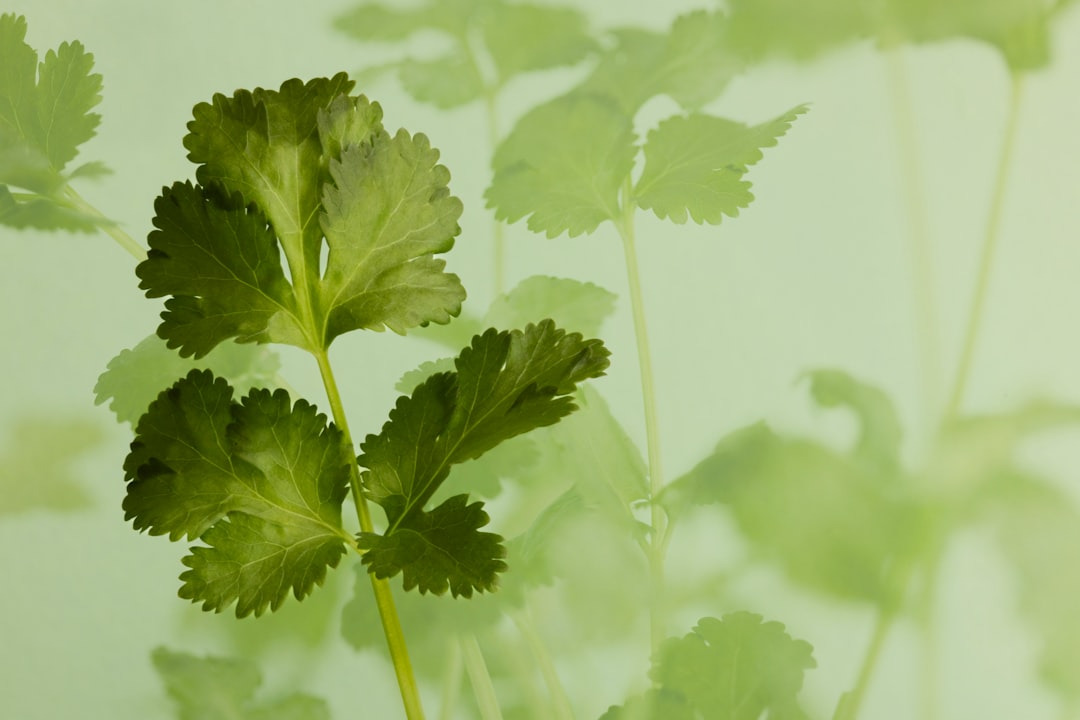
Cilantro bolting isn’t a heat problem. It is a genetic switch that flips permanently the moment the plant senses the light is getting longer. You can delay it, but only by understanding that the plant is not reacting to temperature, it is reacting to the calendar encoded in its own DNA.
Most gardeners blame the weather. They see the leaves turn small, the stems shoot up three feet in a week, and the flavor vanish into bitter floral notes. They reach for shade cloth, they move the pot to the north corner, they water more aggressively. None of it matters. The plant has already decided. The bolting trigger is photoperiodism, not thermal stress. It is a specific genetic program that turns on when daylight exceeds a threshold, regardless of how cool the air remains.
Understanding this distinction is the difference between watching a crop die and harvesting it for months. The goal is not to stop the plant from bolting, because it will bolt when the season turns. The goal is to delay the moment that switch flips, buying you weeks or even months of harvestable foliage. This requires a completely different approach to variety selection, planting timing, and pruning strategy.
The Genetic Switch: Photoperiodism vs. Temperature
Cilantro, or Coriandrum sativum, is an annual herb that evolved in the Mediterranean basin. Its natural life cycle is short. It germinates, builds leaf mass, flowers, sets seed, and dies, all within a single season. The trigger for that final stage is photoperiodism, the plant’s biological response to the length of daylight.
When daylight hours reach a specific threshold, usually around 14 to 16 hours depending on the cultivar, the plant shifts its energy from leaf production to reproductive growth. The stem elongates rapidly, the leaves become smaller and tougher, and the flavor compounds shift from fresh and citrusy to sharp and floral. This is bolting.
Heat accelerates the process, but it does not cause it. A plant in a cool climate will still bolt when the days get long enough. A plant in a hot climate will bolt faster, but the underlying trigger is the light cycle, not the thermometer. This is why gardeners in northern zones often struggle more with summer cilantro than those in southern zones, where the days are long but the planting window is managed differently.
The common advice to “plant in cool weather” is only half true. You must plant when the days are short, but you also need enough time for the plant to establish a robust root system before the days get long enough to flip the switch. This creates a narrow window that most gardeners miss, leading to the frustration of watching their cilantro shoot up before they have harvested a single bunch.
Choosing the Right Genetics: Slow-Bolt Cultivars
Not all cilantro is created equal when it comes to bolting resistance. Standard varieties, often sold simply as “cilantro” or “Chinese parsley,” are bred for rapid growth in early spring, not for summer endurance. They will flip the photoperiod switch the moment the days get long, leaving you with a flower stalk and no leaves.
Slow-bolt cultivars are the solution. These varieties have been selectively bred to tolerate longer daylight hours before triggering bolting. They are the workhorses of summer herb gardening. The most reliable varieties include:
- Santo: A standard slow-bolt variety that produces large, flat leaves and resists bolting until mid-summer in most zones.
- Confidant: Known for its exceptional heat tolerance and resistance to bolting, making it ideal for southern climates.
- Leisure: A newer variety that combines slow-bolt genetics with a compact habit, perfect for containers.
- Mammoth: A large-leaf variety that is slower to bolt than standard types, though not as resistant as Santo or Confidant.
Choosing the right variety is the first step. If you plant standard cilantro in June, you are fighting a losing battle. The genetics are not equipped to handle the long days. Switch to a slow-bolt variety, and you buy yourself a fighting chance.
Planting Strategy: Succession and Depth
Even with slow-bolt varieties, planting timing is critical. The goal is to establish the plant when the days are short, so it has a large leaf canopy ready to go when the days get long. In most temperate zones, this means starting your first crop in early spring, and your last crop in late summer for a fall harvest.
For summer production, you need a succession planting strategy. Plant a new batch of slow-bolt seeds every two to three weeks. This ensures that as one plant begins to bolt, another is ready to take its place. The key is to start the new batch early enough that it has established itself before the bolting threshold is reached.
Container gardening offers an advantage here. Pots heat up faster than ground soil, which can stress the plant. To mitigate this, use larger containers, at least 12 inches in diameter, to provide more soil mass and buffer against temperature swings. A larger soil volume also holds moisture longer, reducing the stress that can accelerate bolting.
Soil composition matters. Cilantro prefers well-draining soil with a pH between 6.2 and 6.8. Add compost to improve water retention, but avoid over-fertilizing with nitrogen, which can encourage weak, leggy growth. A balanced, slow-release fertilizer applied at planting is sufficient. Too much nitrogen forces the plant to grow too fast, making it more susceptible to stress and bolting.
Pruning and Harvesting: The Cut-Back Method
Pruning is the most powerful tool you have to delay bolting. When you harvest cilantro, you are not just removing leaves; you are signaling the plant to produce more. If you harvest correctly, you can extend the productive life of the plant by weeks.
The cut-back method involves harvesting the outer leaves first, cutting them just above a leaf node. This encourages the plant to branch out and produce more leaves from that node. Never harvest more than one-third of the plant at once. Stripping the plant too aggressively shocks it and can trigger early bolting as a survival response.
As the plant begins to show signs of bolting, you can try a hard cut-back. Cut the plant back to four inches above the soil. This removes the flowering stem and forces the plant to redirect energy into new leaf growth. This trick works best with slow-bolt varieties and in cooler weather. In the height of summer, it may not work, and the plant may simply die. But in late spring or early autumn, it can buy you a second harvest.
When to Give Up: The Honest Limits
There is a limit to what you can do. No variety will stay leafy forever. Once the photoperiod switch flips, the plant is committed to reproduction. You can delay it, you can slow it down, but you cannot stop it indefinitely.
If you live in a hot climate, summer cilantro is inherently difficult. The days are long, the heat is intense, and the plant is under constant stress. In these zones, the only reliable strategy is succession planting with slow-bolt varieties, combined with afternoon shade. Even then, you may only get a few weeks of usable harvest before the plant bolts.
If you live in a cool climate, you have more flexibility. You can plant later in the season and still get a good harvest. The key is to match the variety to your climate and to manage your expectations. Cilantro is a short-lived herb. It is not a perennial. It will bolt, and it will die. The goal is to maximize the harvest window, not to eliminate bolting entirely.
Embracing the Flower: Culinary Uses for Bolting Cilantro
When the plant finally bolts, do not pull it. The flowers and seeds are not waste; they are a different product. The flowers are edible and have a milder, more floral flavor than the leaves. They can be used in salads, garnishes, and infusions.
The seeds are coriander, a completely different spice with a warm, citrusy flavor. Harvest the seed heads when they turn brown, dry them, and store them whole. You can grind them as needed for cooking. This is the full life cycle of the plant, from leaf to seed, and it is worth experiencing.
Frequently Asked Questions
Why does my cilantro bolt even when it is cool?
Because bolting is triggered by daylight length, not temperature. If the days are long enough, the plant will bolt, even in cool weather. Use slow-bolt varieties to extend the window.
Can I grow cilantro in full sun?
Yes, but it will bolt faster. Slow-bolt varieties can handle full sun, but afternoon shade will extend the harvest window. In hot climates, provide 30% shade during the hottest part of the day.
How often should I harvest to prevent bolting?
Harvest regularly, but never more than one-third of the plant at once. Regular harvesting encourages branching and delays bolting. Use the cut-back method to maximize leaf production.
What is the best soil for cilantro?
Cilantro prefers well-draining soil with a pH between 6.2 and 6.8. Add compost to improve water retention, but avoid over-fertilizing. A balanced, slow-release fertilizer is sufficient.
Can I save seeds from my cilantro plant?
Yes. Let the plant bolt and flower, then harvest the seed heads when they turn brown. Dry them and store them whole. The seeds are coriander, a popular spice.
Sources & Further Reading
- Growing Cilantro (Coriander) in the Home Garden — University of Minnesota Extension
- Coriander (Cilantro): A Cool-Weather Crop — USDA Agricultural Research Service
- Coriander sativum (Cilantro) – Plant Guide — USDA Natural Resources Conservation Service
- How to Grow Cilantro — Royal Horticultural Society
Photo by Natalie Kinnear on Unsplash.