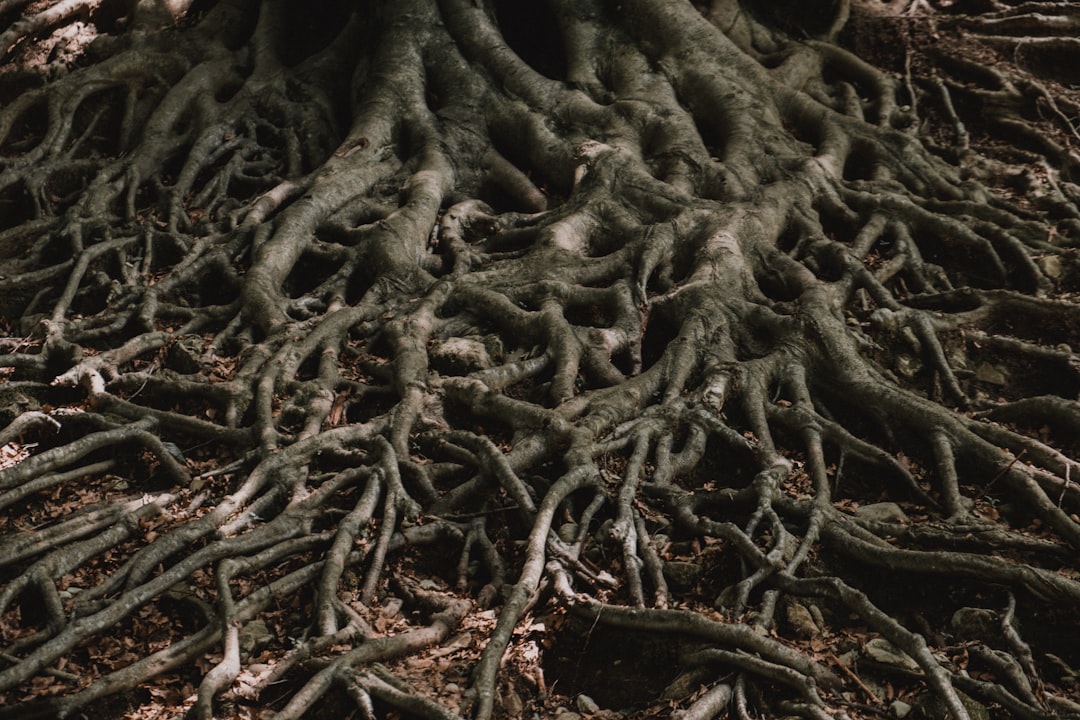
Lemon balm does not grow from seeds. It grows from a single, underground taproot that pushes out a horizontal runner every autumn, and that runner is already in your neighbor’s garden.
Most gardeners plant lemon balm because they want a fragrant, easy-to-grow herb for tea and pesto. They do not plant it because they want a lawn. But within three growing seasons, the plant you put in the back corner of your vegetable bed has colonized the entire border, choked out your coneflowers, and sent runners three feet into the neighbor’s prize petunias. This is not a failure of your gardening skills. This is exactly how Melissa officinalis is designed to survive.
The problem is not that lemon balm is aggressive. The problem is that gardeners treat it like a standard herb, assuming you can simply pull the weed when it shows up. You cannot pull a taproot that has already sent out a rhizome network five feet wide. By the time you see the first sprout in a new location, the plant has already won. Understanding the mechanics of that spread is the only way to keep lemon balm in your garden without letting it take over.
The Taproot and the Underground Highway
Lemon balm is a hardy perennial in USDA zones 4 through 9. It belongs to the mint family, Lamiaceae, which means it shares the square stems and essential oils of its cousins like spearmint and peppermint. But where those cousins spread primarily via above-ground runners, lemon balm relies on a deep, woody taproot that anchors it firmly in place and acts as a massive energy reservoir.
Every fall, as the air temperature drops, the plant directs its remaining sugars down into that taproot. It is not going dormant in the way a rose or a hosta goes dormant. It is reloading. The taproot pushes out a single, thick horizontal rhizome just below the soil surface, moving outward like a subterranean highway. By spring, that rhizome has developed its own root system and shoots up several new stems. One plant becomes two. Two become four. Four become a colony.
This is a survival strategy. In the wild, lemon balm grows on rocky, nutrient-poor slopes. It cannot rely on seeds, which are sparse and often eaten by birds. It relies on vegetative propagation. It builds an underground network that guarantees its survival through drought, frost, and grazing. When you plant it in a rich, loose garden bed, you are giving it the perfect environment to execute that survival strategy at maximum efficiency.
Why Containment Fails Without a Physical Barrier
The standard advice for growing lemon balm is to “contain it in a pot” or “dig a barrier around it.” This advice is well-intentioned but practically useless for anyone who has actually tried to implement it. Here is why.
When you plant lemon balm in a standard plastic pot, the roots eventually hit the bottom. The plant responds by growing thicker, denser, and more aggressively. It fills the pot, becomes root-bound, and then sends out runners that push under the pot, emerging in the soil just inches away from the container wall. You have not contained the plant. You have merely built a funnel that directs its energy into finding a way out.
When you dig a plastic or metal barrier into the ground, you are fighting gravity and soil pressure. Over time, the taproot grows heavier. The soil settles. The barrier shifts. The rhizome finds the path of least resistance, which is often a small gap at the bottom of the barrier, or a crack in the plastic where the root has pushed through. Once a single rhizome slips through, the containment is broken, and the plant resumes its spread.
A physical barrier is not enough. You need a physical barrier that is deeper than the plant can dig, wider than the plant can reach, and sealed at the bottom so the roots cannot simply go around it. This means a container that is at least 18 inches deep, with no drainage holes, buried flush with the soil surface. The lack of drainage holes is not a mistake. It is the primary defense. If the roots cannot drain, they cannot push down. They are forced to grow horizontally within the confines of the container, where you can easily trim them back during the growing season.
The Three-Step Containment Protocol
If you want lemon balm in your garden, you must treat it like a weed from day one. You do not plant it in the ground. You plant it in a strategy.
Step 1: The Container. Use a 5-gallon bucket, a large ceramic pot, or a specialized root-barrier container. Remove all drainage holes. Drill small ventilation holes in the sides if you are worried about anaerobic conditions, but do not compromise the bottom. Fill it with a standard, well-draining potting mix.
Step 2: The Planting. Place the lemon balm plant inside the container. Do not bury the container. Set it flush with the surrounding soil level. This prevents rain from washing soil into the container and filling the space you just cleared. It also prevents the plant from sensing the edge of its world and sending runners out to escape.
Step 3: The Maintenance. Check the edges of the container every two weeks during the growing season. You will see the thick, white rhizomes pushing against the inner wall of the container. Cut them back. Do not let them curl around the inside of the pot. If you let them curl, they will push through the bottom. Trim them back to the soil line. This forces the plant to focus its energy on leaf production, not escape.
This protocol works because it aligns with the plant’s biology. You are not fighting the plant. You are managing its energy. By removing the drainage holes, you force the roots to stay horizontal. By trimming the rhizomes, you prevent them from building the strength needed to penetrate plastic. By keeping the container flush with the soil, you remove the incentive for the plant to spread.
When to Harvest and How to Prune
Once you have contained the plant, you can harvest it like any other herb. The leaves are most potent just before the plant flowers. Cut the stems back to just above a leaf node. This encourages bushy growth and prevents the plant from becoming woody and leggy.
Do not let lemon balm flower if you want to keep it manageable. Flowering signals the plant to shift its energy from leaf production to seed production and root reinforcement. If you see flower buds forming, pinch them off. This keeps the plant in its vegetative state, making it easier to control and more flavorful for culinary use.
If you have already let lemon balm spread into your garden bed, you can remove it, but you must be thorough. You cannot simply pull the top. You must dig out the entire taproot system. This means digging a wide, deep hole around the plant, carefully lifting the root ball, and shaking off as much soil as possible. You must then sift through the surrounding soil for any remaining rhizome fragments. If you leave even a one-inch piece of rhizome in the ground, the plant will regrow. This is why containment is always easier than removal.
The Alternative: Grow It in a Window Box
If you do not have the space or the patience to manage a contained lemon balm plant, consider growing it in a window box or a hanging basket. These containers are small enough that the root system cannot build the mass required to push out a significant rhizome. You will need to water them more frequently, but you will never have to worry about the plant escaping. This is the easiest way to enjoy lemon balm without the long-term commitment of managing a perennial that wants to take over your entire yard.
Lemon balm is a beautiful, fragrant, and useful plant. It is also a master of subterranean expansion. By understanding its taproot and rhizome mechanics, you can grow it without letting it turn your garden into a lemon balm lawn. Treat it like a contained weed, and it will reward you with endless harvests. Ignore its biology, and it will reward you with a garden you no longer control.
Sources & Further Reading
- Melissa officinalis (Lemon Balm) — University of Minnesota Extension
- Lemon Balm: Melissa officinalis — Royal Horticultural Society
- Lemon Balm — United States Department of Agriculture (USDA)
Photo by Matteo Grando on Unsplash.