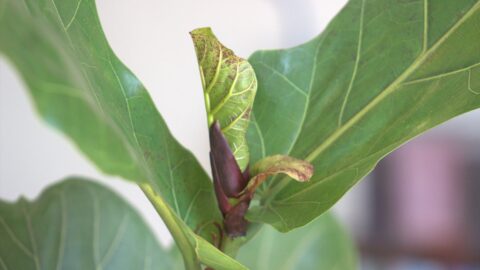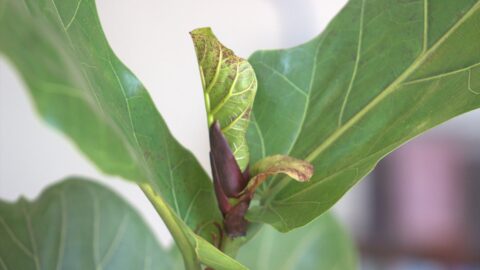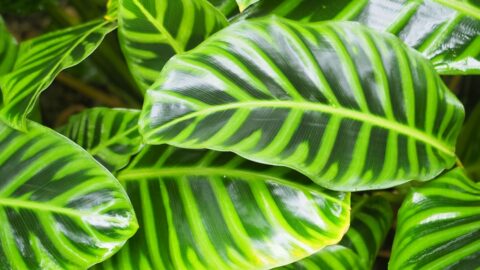
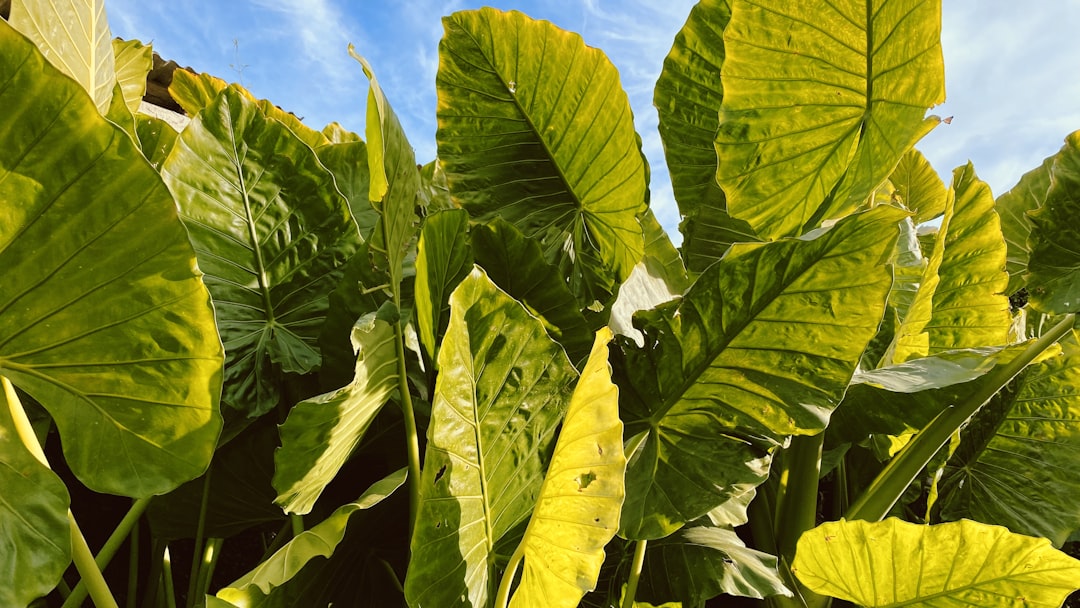
In late November, a horticulturist at a university greenhouse noticed his Alocasia ‘Bambino’, the small, arrow-leaf variety sold as Alocasia Polly, dropping its bottom leaves. He checked the soil moisture. It was perfect. He checked the humidity. He checked for spider mites. There were none. He repotted the plant into fresh, sterile soil, increased the fertilizer, and moved it to a brighter shelf. Two weeks later, the rhizome had turned to black mush. He had not killed the plant with neglect. He had killed it with care.
Alocasia ‘Bambino’, commonly sold as Alocasia Polly, is a tropical rhizomatous plant native to the humid understories of Southeast Asia. It does not grow in a continuous, unbroken cycle like a pothos or a philodendron. It operates on a strict dormancy rhythm dictated by light intensity and temperature. When those conditions drop below a specific threshold, the plant triggers a programmed shutdown. It sheds its leaves, retreats into its rhizome, and stops growing entirely. This is not a stress response. This is the plant’s default operating mode for roughly 40 percent of the year.
The problem is that most houseplant owners treat dormancy as a failure. They see leaf loss and assume something is wrong. They react by doing more: more water, more food, more light. This reaction is exactly what kills the plant. The rhizome is dormant, meaning its metabolic activity drops to near zero. It cannot process water. It cannot process fertilizer. If you continue to water a dormant Alocasia Polly, the soil stays wet around a sleeping root system, and the rhizome rots from the inside out. The plant does not die from lack of care. It dies from over-care.
The Dormancy Trigger: Light and Temperature
Dormancy in Alocasia Polly is triggered by two specific environmental signals: a drop in light intensity and a drop in ambient temperature. These signals work together. A plant receiving full, direct sun will rarely go dormant, even if the temperature drops, because the light intensity keeps the photosynthetic machinery active. A plant kept under artificial grow lights year-round may also skip dormancy, provided the light duration and intensity mimic summer conditions.
However, most indoor environments change naturally. In autumn, the sun moves lower in the sky, and the hours of direct, bright light decrease. Indoor temperatures drop as heating systems kick in, creating a dry, warm environment that is fundamentally different from the cool, humid understory the plant evolved in. When the light intensity drops below a certain threshold and the temperature falls below 65 degrees Fahrenheit (18 degrees Celsius), the plant receives the signal to shut down.
This shutdown is not a choice. It is a genetic imperative. The plant cannot photosynthesize efficiently at these levels, so it conserves energy by shedding its leaves. The leaves are the most energy-expensive part of the plant. By dropping them, the plant reduces its metabolic overhead and focuses all remaining resources into the rhizome, the underground storage organ. The rhizome swells, storing carbohydrates and water for the next growing season. This is why your plant looks like it is dying, when in reality, it is preparing for its next life cycle.
Understanding this trigger is the single most important step in caring for Alocasia Polly. Once you recognize that leaf drop is a normal, healthy part of the plant’s life cycle, you stop panicking. You stop repotting. You stop fertilizing. You stop watering. You let the plant do what it is designed to do.
What to Do When the Leaves Drop
When your Alocasia Polly drops its leaves, your job is to do nothing. This is the hardest part for most plant owners, because it feels like neglect. It is not. It is the correct response. Here is exactly what you need to do, and what you must absolutely avoid.
First, stop watering. Completely. Once the last leaf has yellowed and dropped, the rhizome is no longer pulling water from the soil. If you continue to water, you are creating a swamp around a sleeping root system. The soil should be allowed to dry out almost completely. You are not trying to kill the rhizome; you are trying to keep it dry. A dry rhizome is a healthy rhizome. A wet rhizome is a rotting rhizome.
Second, stop fertilizing. Fertilizer is food. A sleeping plant cannot eat. If you add fertilizer to dry soil, you are adding salts that can build up and damage the rhizome over time. If you add fertilizer to wet soil, you are burning the roots that are already struggling to survive. Wait until new growth appears before you resume feeding.
Third, do not repot. Repotting a dormant plant is one of the fastest ways to kill it. The rhizome is not actively growing, so it will not push new roots into fresh soil. Any disturbance to the rhizome during dormancy can cause physical damage that prevents it from waking up properly. Leave the rhizome in its current pot. If you must repot, wait until you see the first new leaf emerging from the soil.
Fourth, do not throw the pot away. The rhizome is still alive. It is just sleeping. Keep the pot in a warm, dark place, or simply leave it where it is. You do not need to move it. You do not need to mist it. You do not need to do anything. Just wait.
The dormancy period can last anywhere from three to six months, depending on your indoor environment. In a cool, dim room, it may last longer. In a warm, brightly lit room with a grow light, it may be shorter or skipped entirely. There is no single “correct” duration. The plant will tell you when it is ready to wake up by pushing a new leaf from the soil.
How to Wake Up a Dormant Alocasia Polly
Waking up a dormant Alocasia Polly is simple, but it requires patience. You do not force it to wake up. You simply change the conditions so that the plant receives the signal to start growing again. This signal is the same one that triggered the dormancy: increasing light intensity and increasing temperature.
Start by moving the plant to a brighter location. If you have been keeping it in a low-light area, move it to a spot that receives bright, indirect light. If you are using artificial grow lights, turn them on for 12 to 14 hours per day. The increased light intensity will signal the rhizome that it is time to start growing again.
Next, increase the temperature. Alocasia Polly grows best in temperatures between 70 and 80 degrees Fahrenheit (21 to 27 degrees Celsius). If your home is cool, move the plant to a warmer spot. You can also place the pot on a heating mat set to a low temperature. The warmth will stimulate the rhizome to start producing new roots and leaves.
Once you have moved the plant to a warmer, brighter location, you can begin to water it again. Do not flood the soil. Water sparingly, just enough to moisten the top inch of soil. The rhizome is still small and does not need much water. As the new leaf emerges and expands, you can gradually increase the amount of water you give. The new leaf is a signal that the plant is active again and can process water and nutrients.
When the new leaf appears, you can resume fertilizing. Use a balanced, water-soluble fertilizer at half strength. Do not use full strength, as the new roots are delicate and can be burned by excess salts. Feed every two weeks during the growing season, and stop feeding when the plant goes dormant again in the fall.
Why Most Owners Kill Their Alocasia Polly
Most owners kill their Alocasia Polly because they cannot accept that the plant is going to sleep. They try to fix it. They water more. They fertilize more. They repot more. They move it to a brighter spot. They mist it. They do everything except what the plant needs: nothing.
This is not a failure of care. It is a failure of understanding. Alocasia Polly is not a pothos. It is not a monstera. It is a tropical rhizomatous plant that has evolved to survive seasonal changes in its native habitat. It goes dormant. It drops its leaves. It sleeps. This is not a bug. It is a feature.
When you understand this, you stop fighting the plant. You stop trying to force it to grow year-round. You accept that it will go dormant, and you respect that dormancy. You wait. And when the plant wakes up, you are rewarded with a healthy, vigorous plant that has survived its dormancy and is ready to grow again.
This is the single most important lesson in caring for Alocasia Polly. Accept the dormancy. Respect the dormancy. Let the plant sleep. And when it wakes up, you will have a plant that is thriving, not just surviving.
Comparing Alocasia Polly to Other Dormant Houseplants
Not all houseplants go dormant. Many, like pothos, philodendron, and snake plant, grow continuously year-round, provided they have light and water. These plants do not have a programmed dormancy cycle. They do not drop all their leaves. They do not retreat into an underground storage organ. They grow, and they grow, and they grow.
Alocasia Polly is different. It is a rhizomatous plant, meaning it grows from an underground stem (the rhizome) that stores water and nutrients. This storage organ allows the plant to survive periods of stress, including drought, cold, and low light. When conditions are unfavorable, the plant sheds its leaves and retreats into the rhizome. This is a survival strategy, not a failure.
Other houseplants that go dormant include peace lilies, caladiums, and certain types of ferns. These plants also drop their leaves and retreat into an underground storage organ when conditions are unfavorable. They require the same care as Alocasia Polly during dormancy: stop watering, stop fertilizing, and wait for new growth.
Understanding the difference between plants that grow continuously and plants that go dormant is crucial for successful houseplant care. If you treat a dormant plant like a continuously growing one, you will kill it. If you treat a continuously growing plant like a dormant one, you will stunt it. Know your plant. Respect its nature. And let it do what it is designed to do.
What to Do If the Rhizome Rotates
Despite your best efforts, your Alocasia Polly’s rhizome may rot. This happens when you water it during dormancy, or when the soil stays wet for too long. A rotting rhizome is soft, mushy, and smells bad. It is dead. There is no saving it.
If you suspect your rhizome is rotting, remove it from the soil. Cut away any soft, mushy, or discolored tissue with a clean, sharp knife. If the entire rhizome is soft, there is no saving it. Throw it away. If there is still firm, healthy tissue, you can try to save it. Let the cut surface dry and callus over for a few days. Then, replant it in fresh, dry soil. Water sparingly, and wait for new growth. If new growth appears, you have saved it. If not, you have lost it.
Preventing rot is easier than treating it. The key is to keep the soil dry during dormancy. Do not water. Do not fertilize. Do not repot. Let the rhizome sleep. And when it wakes up, you will have a healthy, vigorous plant that is ready to grow again.
Alocasia Polly is not difficult to care for. It is only difficult to care for if you do not understand its nature. It sleeps. This is not a failure.
Sources & Further Reading
- Growing Alocasia — Penn State Extension
- Alocasia Care: How to Grow and Care for Elephant Ear Plants — Garden Guides
- Alocasia: The Ultimate Care Guide — Leafly
Photo by Feliphe Schiarolli on Unsplash.