Everyone tells you to plant potatoes when the soil hits 45 degrees Fahrenheit. That advice works in California, where the ground warms up gradually. In Utah, that advice kills your crop before the first sprout breaks the surface. The soil stays cold enough to rot the seed piece, and warm enough to invite soil-borne bacteria that cause common scab. The result is a pile of slimy, unmarketable tubers that never had a chance.
Planting potatoes in Utah requires a different metric entirely. You must plant six weeks before your area’s average last frost date. This single timing window accounts for Utah’s violent spring temperature swings, which can plunge the soil back into freezing temperatures weeks after a warm spell. By waiting for this specific window, you allow the seed piece to establish roots in cold soil without rotting, giving the plant enough time to mature before the autumn heat forces it to stop growing.
Why the 45-Degree Rule Fails in High Deserts
Most gardening books and extension bulletins from the eastern United States recommend planting potatoes when the soil temperature reaches 45 degrees. This is sound advice for humid, moderate climates. It is catastrophic advice for the Intermountain West. The reason lies in the difference between air temperature and soil temperature, and the specific biological vulnerabilities of the potato plant.
Potatoes are cool-weather crops that grow from a seed piece, a cut section of a mature potato containing ‘eyes’ that sprout. When you place that seed piece into soil that is 45 degrees, you are placing it in a state of suspended animation. In Utah, a warm spring day might push the air temperature to 60 degrees, tricking you into thinking the soil is ready. But the soil at the planting depth of four to six inches remains much colder, often hovering around 40 degrees or lower.
At this temperature, the seed piece does not sprout. It sits there. And because Utah soils, especially the heavy clay loams common in the Salt Lake Valley and Cache Valley, hold moisture for a long time, that seed piece becomes a breeding ground for pathogens. The primary culprit is Streptomyces scabies, the bacterium that causes common scab. This bacterium thrives in warm, moist soil and attacks the developing skin of the tuber, creating rough, corky, brown patches that ruin the potato’s marketability and storage life. By planting too early in Utah, you are literally handing the disease a warm, wet bed to multiply in.
Furthermore, early planting exposes the emerging sprouts to actual frost. A hard freeze kills the above-ground foliage. While the plant can sometimes resprout, it loses weeks of growing time. In Utah, where the growing season is compressed by early autumn frosts, losing four weeks at the start means your potatoes never reach full maturity before the weather turns against them. You end up with small, thin tubers that store poorly and lack the starch content that makes a potato desirable.
How to Calculate Your Exact Planting Date
The six-week rule is not a guess. It is a buffer zone designed to protect the seed piece from both rot and frost. To use it, you need to know your specific USDA hardiness zone and, more importantly, your historical last frost date. Utah spans zones 3b to 8b, so a blanket statement of ‘plant in April’ is useless.
Start by finding your local average last frost date. The Utah State University Extension provides detailed climate data for every county. For Salt Lake City, the average last frost is around April 20. For higher elevations like Park City or Logan, it might be May 15 or later. For lower desert valleys like St. George, it could be as early as March 15.
Once you have that date, count back six weeks. If your last frost is April 20, you plant your seed potatoes around March 10. This might feel early. It might feel risky. But it is the exact window where the soil is cold enough to keep the seed piece dormant and safe from bacterial attack, yet warm enough to allow root initiation once the soil begins to warm in late March.
This timing also aligns with the natural cycle of soil biology. By planting in early March, you allow the potato plants to establish a root system before the summer heat arrives. Potatoes need about 90 to 120 days to mature, depending on the variety. If you plant in March, your potatoes will be ready for harvest in June or July, right before the peak summer heat stresses the plants and stops tuber bulking. This is the sweet spot for maximum yield.
Choosing Varieties That Match the Window
Timing is only half the equation. You must also choose potato varieties that can mature within that specific window. Not all potatoes are created equal. Some take 130 days to mature; others are ready in 80. In Utah, you have the luxury of planting early, so you can afford longer-season varieties that produce larger, more flavorful tubers.
Yukon Gold is a reliable mid-season variety that matures in about 100 days. It is versatile, stores well, and handles Utah’s dry air better than many other types. Kennebec is another excellent choice, known for its resistance to common scab and its ability to produce large, uniform tubers. If you are in a lower-elevation area with a longer growing season, you can even try late-season varieties like Russet Burbank, which produce the large, starchy potatoes ideal for baking and frying.
Avoid early-season varieties like Norland or Red Pontiac unless you are in a very high-elevation area with a short season. These varieties mature quickly, but they also have smaller tubers and do not store as well. In Utah, you do not need to rush. You have time to grow the big, flavorful potatoes that reward the patience of waiting for the right planting window.
Preparing the Soil for Early Planting
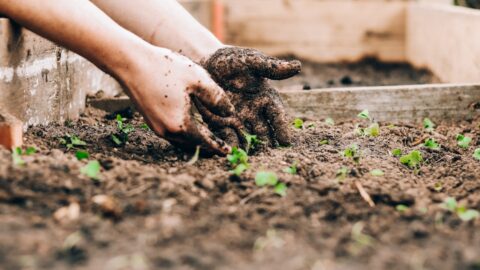
Because you are planting in early spring, your soil preparation must account for the cold. Utah soils are often heavy clay, which drains poorly and stays cold. To fix this, amend your planting bed with well-aged compost and coarse sand or perlite. This improves drainage and allows the soil to warm up faster. Avoid fresh manure, which can burn the seed pieces and introduce pathogens.
When you plant, place the seed pieces eye-side up in trenches that are four to six inches deep. As the sprouts grow, gradually mound soil around the stems. This ‘hilling’ process protects the developing tubers from sunlight, which turns them green and produces solanine, a toxic compound. It also encourages the plant to produce more tubers along the buried stem. In Utah, hilling is essential because the spring sun can be intense, and the soil can dry out quickly.
Water the seed pieces lightly after planting, but do not saturate the soil. The goal is to keep the soil moist enough to encourage root growth, but dry enough to prevent rot. As the plants emerge, increase watering to support the foliage. Potatoes need consistent moisture, especially during tuber bulking. In Utah’s dry climate, drip irrigation is the most efficient way to deliver water directly to the root zone without wasting it to evaporation.
When to Harvest
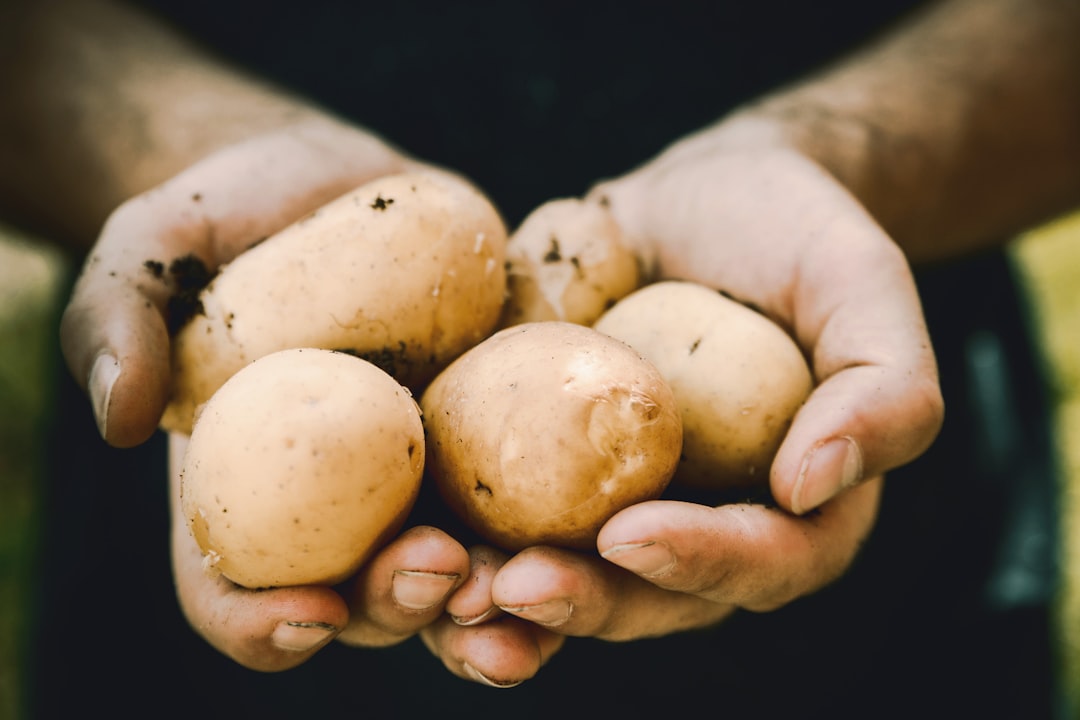
Knowing when to harvest is just as important as knowing when to plant. For new potatoes, you can harvest them as early as 60 days after planting, when the tubers are small and have thin skins. For full-sized potatoes, wait until the foliage turns yellow and dies back naturally. This usually happens in late July or August in Utah, depending on your elevation.
When the foliage dies, stop watering. Allow the tubers to cure in the ground for a week. This allows the skins to thicken and heal, which is crucial for long-term storage. Then, dig them up on a dry day. Avoid digging when the soil is wet, as this can damage the tubers and introduce rot. Once harvested, store the potatoes in a cool, dark, well-ventilated place. They will keep for several months if stored correctly.
The six-week frost rule is not a rigid law. It is a guideline based on the specific climatic realities of Utah. By respecting this window, you avoid the twin pitfalls of rot and frost, and give your potatoes the best possible chance to produce a bountiful, high-quality harvest. It requires patience, but the reward is a crop that actually makes it to the table.
Sources & Further Reading
- Potato Production in Utah — Utah State University Extension
- Growing Potatoes in Utah — Utah State University Extension
- Common Scab of Potato — Oregon State University Extension
Photo by JESHOOTS.COM on Unsplash.