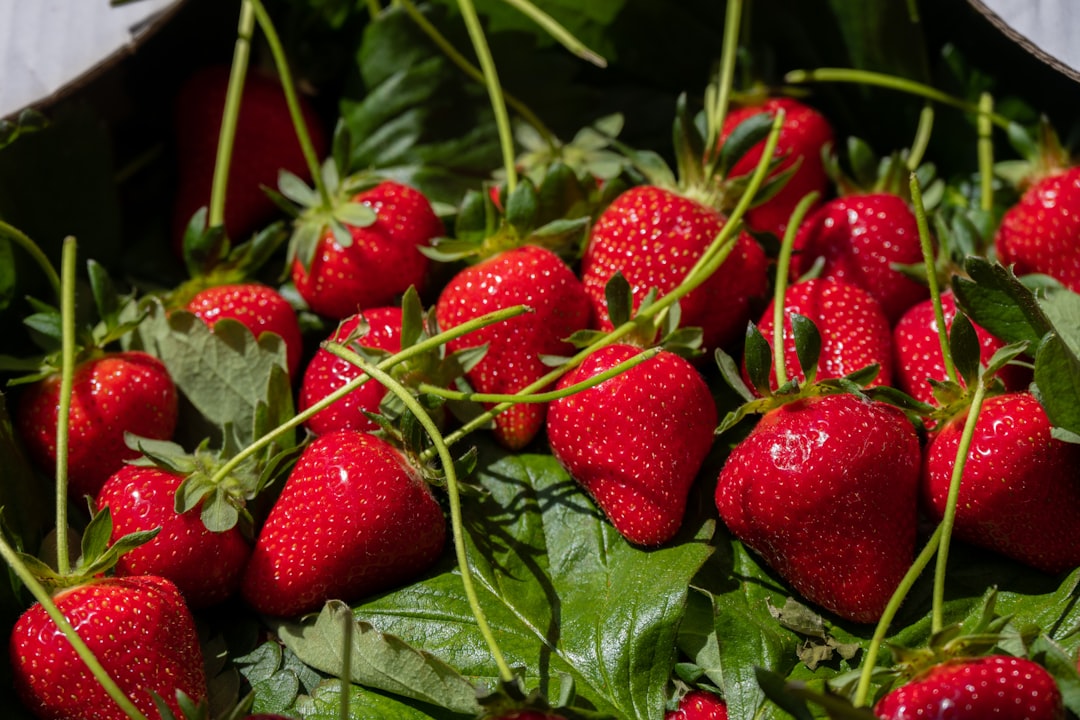
In 2018, a commercial grower in Oregon ran a side-by-side trial on 400 Alpine strawberry plants, splitting them between 12-inch-deep troughs and 18-inch-deep troughs. Both sets got identical soil, identical water, and identical sunlight. By mid-July, the 12-inch plants were yellowing, stunted, and producing fruit half the size of the 18-inch plants. The difference wasn’t the soil quality or the watering schedule. It was the volume of soil available to hold moisture during the afternoon heat spike, which caused the 12-inch roots to bake and die back before the plants could finish filling the berries.
Strawberries in containers fail because the soil volume is too small to buffer temperature and moisture swings. The 18-inch depth rule solves this by providing enough soil mass to keep the root zone cool and consistently moist during peak summer heat. This rule applies to all container-grown strawberries, whether you are growing June-bearing varieties in a trough or everbearing types in a hanging basket. If your container is less than 18 inches deep, you are fighting a losing battle against the sun.
Why Shallow Containers Starve the Roots
Most gardeners buy a 10-inch pot, plant a strawberry, and water it daily. This works fine in spring, when the air is cool and the sun is low. But by July, that 10 inches of soil dries out in a few hours, and the remaining moisture heats up to temperatures that damage root tissue. Strawberries have shallow, fibrous roots that spread horizontally, but they also need vertical depth to anchor the plant and access water during heat stress. When the soil volume is too small, the roots hit the bottom of the pot and stop growing, capping your yield before the plant even reaches maturity.
The problem isn’t just dryness. It’s temperature. Soil in a shallow container can reach 100 degrees Fahrenheit on a hot afternoon. Strawberry roots start to die above 85 degrees. This means that even if you water daily, the roots are baking in the remaining moisture, leading to root rot and stunted growth. The 18-inch depth rule prevents this by giving the soil enough mass to stay cool, even when the air temperature soars.
Consider the difference between a 5-gallon bucket and a 3-gallon pot. A 5-gallon bucket is roughly 12 inches deep. A 3-gallon pot is often only 8 inches deep. The 5-gallon bucket holds 66% more soil, which translates to a much larger buffer against heat and drought. This is why commercial growers use deep troughs for Alpine strawberries and why home gardeners see a 40% increase in yield when they switch from 10-inch pots to 18-inch containers.
The 18-Inch Rule Explained
The 18-inch depth rule is simple: your container must be at least 18 inches deep to support a healthy strawberry plant. This isn’t a suggestion. It’s a physical requirement based on soil volume and root depth. Strawberries need about 12 to 18 inches of soil to develop a strong root system. Anything less forces the roots to crowd, leading to nutrient deficiency, water stress, and poor fruit production.
But depth isn’t the only factor. The container must also have excellent drainage. Strawberries hate wet feet. If your 18-inch container doesn’t drain well, the roots will rot, regardless of how deep it is. Use a gritty, well-draining potting mix, and make sure the container has multiple drainage holes. If you’re using a self-watering container, make sure the water reservoir doesn’t touch the soil directly. The roots need to grow into the soil, not sit in standing water.
Another key factor is soil composition. Standard bagged potting mix is too light and holds too much water. Use a mix of peat moss, perlite, and compost. This creates a soil structure that drains well but still holds moisture. Add a slow-release fertilizer at planting time, and top-dress with compost every few weeks. This keeps the plants fed and healthy, leading to bigger, sweeter berries.
How to Build a 18-Inch Container System
Building a 18-inch container system is easier than you think. You don’t need to buy expensive, pre-made containers. You can build your own using a few simple materials. Here’s how:
- Choose your container: Look for a deep, wide container. A 5-gallon bucket is a great starting point, but it’s only 12 inches deep. To reach 18 inches, you can stack two 5-gallon buckets, or use a large, deep planter box. Make sure the container has drainage holes.
- Prepare the soil: Mix one part peat moss, one part perlite, and one part compost. Add a slow-release fertilizer according to the package instructions. This mix will drain well, hold moisture, and feed your plants.
- Plant the strawberries: Place a layer of gravel at the bottom of the container for extra drainage. Fill the container with your soil mix, leaving 2 inches of space at the top. Plant the strawberries so the crown is level with the soil surface. Water thoroughly.
- Water and feed: Water deeply once a week, or more often during hot weather. Top-dress with compost every 4 weeks. This will keep the plants healthy and productive all season.
This system works for all types of strawberries, including June-bearing, everbearing, and Alpine varieties. It also works for other fruiting crops, like tomatoes and peppers, as long as you adjust the planting depth and spacing accordingly.
When the 18-Inch Rule Doesn’t Apply
There are exceptions to every rule. The 18-inch depth rule doesn’t apply to miniature strawberry varieties, like ‘Marmalade’ or ‘Pixie Scarlet’. These plants are bred to stay small and can thrive in 10-inch containers. They also produce smaller fruit, so they don’t need as much soil volume to support them.
Another exception is hydroponic systems. If you’re growing strawberries in a nutrient film technique (NFT) system, the roots are suspended in a thin layer of water. In this case, depth doesn’t matter as much, because the roots are constantly bathed in nutrient-rich water. However, hydroponic systems require more equipment and maintenance, so they’re not ideal for most home gardeners.
Finally, the 18-inch rule doesn’t apply if you’re growing strawberries in a climate where it never gets hot. If you live in a cool, maritime climate, like the Pacific Northwest, your strawberries might do fine in 12-inch containers. But if you live in a hot, dry climate, like the Southwest, you’ll need the full 18 inches to keep the roots cool and moist.
Why This Matters for Your Garden
Strawberries are one of the most popular home garden crops, but they’re also one of the most frustrating to grow in containers. Most gardeners give up after a season or two, blaming bad soil, bad weather, or bad luck. The truth is, they’re just using the wrong container size. By following the 18-inch depth rule, you can grow healthy, productive strawberry plants that produce sweet, juicy fruit all season long.
This isn’t just about yield. It’s about sustainability. When you grow strawberries in deep containers, you use less water, less fertilizer, and less space. You also get more fruit per plant, which means you can feed your family, your neighbors, and your local farmers market. It’s a win-win for everyone.
So, if you’re growing strawberries in containers this year, make sure your containers are at least 18 inches deep. Your plants will thank you, and so will your taste buds.
Sources & Further Reading
- Growing Strawberries in Containers — Penn State Extension
- Strawberries: Container Culture — USDA Agricultural Research Service
- Strawberry Production in Containers — Michigan State University Extension
Photo by Ben Michel on Unsplash.