The potting mix is gone. Not the top layer, but the entire upper third of the soil. In its place sits a neat, fist-sized hole, and your basil seedling is lying on its side, roots exposed to the air like a pulled tooth. You feel the familiar spike of frustration. You replant it, pack the soil down tight, and tell yourself you will watch it this time. The next day, the hole is back.
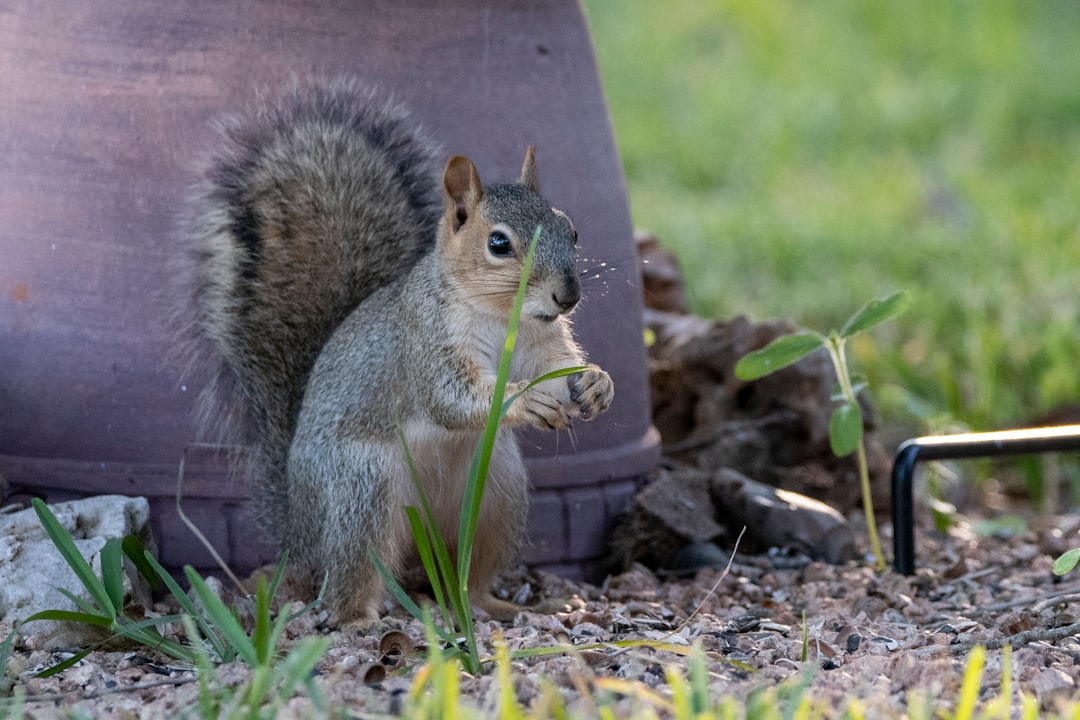
This is not bad luck. This is a specific, highly targeted behavior by Eastern gray squirrels (Sciurus carolinensis) that has nothing to do with food and everything to do with soil mechanics. They are not stealing your herbs. They are harvesting your soil structure. Understanding exactly why they dig, and exactly which root balls resist this behavior, is the only way to keep a container garden intact without resorting to netting that looks like a birdcage.
The Mechanics of the Container Dig
To stop the digging, you first have to understand what the squirrel is actually looking for. Most gardeners assume squirrels dig in pots to find grubs, earthworms, or the bulbs they accidentally planted. This is a misread signal. The primary target is the air-filled pore space within the soil matrix, specifically the structure provided by organic amendments.
Squirrels are hardwired to cache nuts and tubers in soil that offers zero resistance to their claws. When they encounter a container filled with standard peat-based potting mix, they perceive it as a dense, unyielding block. They dig to loosen it, to aerate it, to make it behave like the loose, well-drained forest floor where they naturally bury acorns. The act of digging is the act of testing the soil. If the soil crumbles easily, they accept it. If it resists, they keep digging until it yields. Your herbs are merely collateral damage in their quest for the perfect caching medium.
When a squirrel digs into a container, it is performing a physical assessment. It uses its forepaws to punch downward, then rakes backward. Standard potting mixes, heavily reliant on peat moss and fine vermiculite, compact under this pressure. They turn into a dense, muddy slurry that clings to the claws. The squirrel hates it. It triggers a compulsion to dig deeper, to find the loose, chunky material it prefers. This is why your pots look like they have been excavated by a miniature bulldozer.
The Root Ball Solution
The fix is not to use more soil. The fix is to use soil that the squirrel cannot easily disrupt. This means shifting from standard potting mixes to a gritty, inorganic-heavy container blend. The goal is to create a root ball that is structurally rigid, resistant to compaction, and unappealing to the squirrel’s tactile sensors.
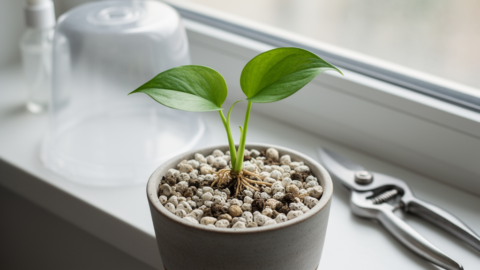
A high-percentage inorganic mix changes the physical properties of the pot entirely. By replacing 40% to 50% of the volume with coarse materials like pumice, lava rock, or coarse horticultural grit, you eliminate the soft, compressible peat matrix that squirrels target. When a squirrel punches its claws into a pot filled with 50% pumice, it hits resistance immediately. The particles do not compress. They do not turn to mud. They shift slightly, creating friction that stops the digging motion. The squirrel perceives this friction as a signal that the soil is too dense to cache in, and it moves on to the next pot, which likely contains standard mix.
This is not a theoretical recommendation. It is a direct application of soil physics to pest management. Squirrels rely on tactile feedback to decide whether a location is suitable for caching. A gritty, inorganic mix provides high friction and low compressibility. It fails the squirrel’s tactile test instantly. The result is a container that remains intact, even when the squirrel is actively hunting for a place to bury its next snack.
Building the Resistant Mix
You do not need to buy expensive specialty soil. You can build this mix yourself using three components. The first is a high-quality, coarse compost, which provides the nutrients and the microbial life your herbs need. The second is coarse perlite or, preferably, pumice, which provides the structural rigidity. The third is a small amount of coarse sand, which fills the microscopic gaps between the larger particles and prevents the mix from separating during watering.
Combine one part compost, one part pumice, and one part coarse sand. Do not add peat moss. Do not add vermiculite. These fine particles are the enemy of structural integrity. They create the soft, compressible matrix that invites digging. Your herbs will thrive in this mix because it drains instantly, preventing root rot, and holds oxygen at the root zone, promoting vigorous growth. The squirrels will ignore it because it feels wrong to their claws.
Why Standard Mulches Fail
Many gardeners try to stop the digging by adding a layer of mulch on top. They use bark chips, pine needles, or even smooth river stones. This almost never works. Squirrels are highly adaptable and will simply dig through the mulch to reach the underlying soil. Mulch is a visual barrier, not a physical one. It adds weight, yes, but it does not change the underlying soil mechanics. The squirrel still encounters the same soft, compressible peat mix beneath the mulch, and it will dig through the mulch to get to it.
If you must use mulch, use a layer of coarse, sharp gravel, at least two inches deep. The sharp edges will irritate the squirrel’s paw pads, discouraging further digging. However, this is a secondary measure. The primary defense is the inorganic mix itself. If the soil underneath is rigid and unyielding, the gravel on top is just a bonus. If the soil underneath is soft, the gravel will be dug through within minutes.
Alternative Planting Strategies
There are other ways to make your containers unappealing to squirrels, beyond just changing the soil. One highly effective method is to plant your herbs in hanging baskets. Squirrels are ground-based foragers. They can jump, yes, but they cannot hang upside down and dig into a suspended container with the same ease. A hanging basket forces the squirrel to expend significantly more energy to reach the soil. Most will simply move on to a ground-level pot that offers less resistance.
Another strategy is to use containers with narrow openings. A wide, open pot is an invitation. A narrow-necked pot, like a tall ceramic planter or a self-watering reservoir with a small fill hole, physically restricts the squirrel’s access. It cannot fit its entire forepaw into the soil. It cannot perform the punching and raking motion that triggers its caching instinct. The physical constraint acts as a mechanical barrier, just as effective as any chemical repellent.
You can also try planting your herbs in mesh bags. Yes, really. Place the root ball inside a coarse burlap or hardware cloth bag, and place that bag inside the decorative container. The squirrel can dig into the mesh, but it cannot get its claws deep enough to disrupt the root ball. The mesh provides enough resistance to stop the digging motion, while still allowing water and air to pass through. It is a simple, cheap, and highly effective solution that requires no ongoing maintenance.
The Psychology of the Squirrel
Understanding the psychology of the squirrel is key to long-term success. They are not malicious. They are not trying to kill your plants. They are following a deeply ingrained instinct to cache food in soil that meets specific physical criteria. When you provide soil that meets those criteria, you are not fighting the squirrel. You are working with its instincts. You are giving it exactly what it wants, but in a way that does not destroy your garden.
This is why chemical repellents fail. They do not address the underlying soil mechanics. They do not change the tactile feedback. They simply add a bitter taste to the soil, which the squirrel quickly learns to ignore. Physical barriers, like netting, are effective but ugly. They turn your beautiful container garden into a birdcage. The gritty, inorganic mix is the only solution that is both effective and invisible. It looks like normal soil. It behaves like normal soil. But to the squirrel, it feels like concrete.
Conclusion
The next time you see a hole in your pot, do not replant the herb and hope for the best. Change the soil. Switch to a gritty, inorganic mix. Plant in hanging baskets or narrow containers. Use mesh bags if necessary. These are not desperate measures. They are intelligent adaptations to a specific, highly targeted pest problem. By understanding the mechanics of the squirrel’s digging, you can protect your herbs without sacrificing the beauty or functionality of your container garden. The squirrel will move on. Your herbs will thrive. And you will finally have peace of mind.
Sources & Further Reading
- Eastern Gray Squirrel (Sciurus carolinensis) — National Park Service
- Soil Structure and Organic Matter — Penn State Extension
- Container Soil Mixes — Royal Horticultural Society