You notice the leaves dropping and do the only thing that makes sense: you water it. The leaves keep dropping, so you water it more. The stem goes soft, the leaves turn yellow, and the plant looks like it is dying of thirst. It is drowning in its own debt.
The money tree (Pachira aquatica) is the most common houseplant that owners kill by trying to save it. The problem is not the water. The problem is the root system’s inability to process the water you give it. When the roots rot, they stop pulling moisture from the soil. The leaves, starved of water, begin to yellow and drop. The owner sees yellow leaves, assumes the plant is dry, and pours more water into the pot. The rot gets worse. The leaves drop faster. The plant dies. This is a feedback loop, and it is the single most common failure mode for Pachira owners.
To save a money tree, you have to break the feedback loop. You have to stop watering, pull the plant out of the pot, and cut away the dead roots. You have to repot it in a mix that drains faster than the soil it came in. And you have to accept that the plant will look worse before it gets better. This is not a watering schedule problem. It is a root physiology problem. And it is entirely fixable if you stop treating the leaves and start treating the roots.
The Root System That Cannot Handle Your Water
The money tree is not a tropical understory plant. It is a riparian species. In its native habitat along the floodplains of Central and South America, Pachira aquatica grows in soil that gets completely saturated during the rainy season and then dries out completely during the dry season. The plant evolved to survive extreme wetness, but it did not evolve to survive constant wetness.
The key to understanding this plant is its caudex. The thick, braided trunk is not just a pretty feature. It is a water storage organ. The caudex holds enough water to keep the plant alive for weeks, sometimes months, without any external water source. When you water a money tree, you are not feeding it. You are flooding a reservoir that is already full.
When the soil stays wet, the roots cannot get oxygen. Root cells are living tissue. They need oxygen to respire. Without oxygen, the cells die. The root system rots from the inside out. The rot spreads up the stem. The stem turns soft and dark. The leaves drop. The plant looks like it is dying of thirst. But it is not. It is drowning.
This is why standard potting mix kills money trees. Standard potting mix is designed for tropical understory plants like pothos and philodendron. It holds water. It breaks down over time. It stays wet for weeks. A money tree planted in standard potting mix will rot within six months, even if you water it once a week. The plant does not need the water. The plant needs the air.
The Three-Step Rescue Protocol
If your money tree is dropping leaves and the stem feels soft, you have to act immediately. Do not water it. Do not wait. Do not hope that it will recover on its own. It will not. Follow these three steps exactly.
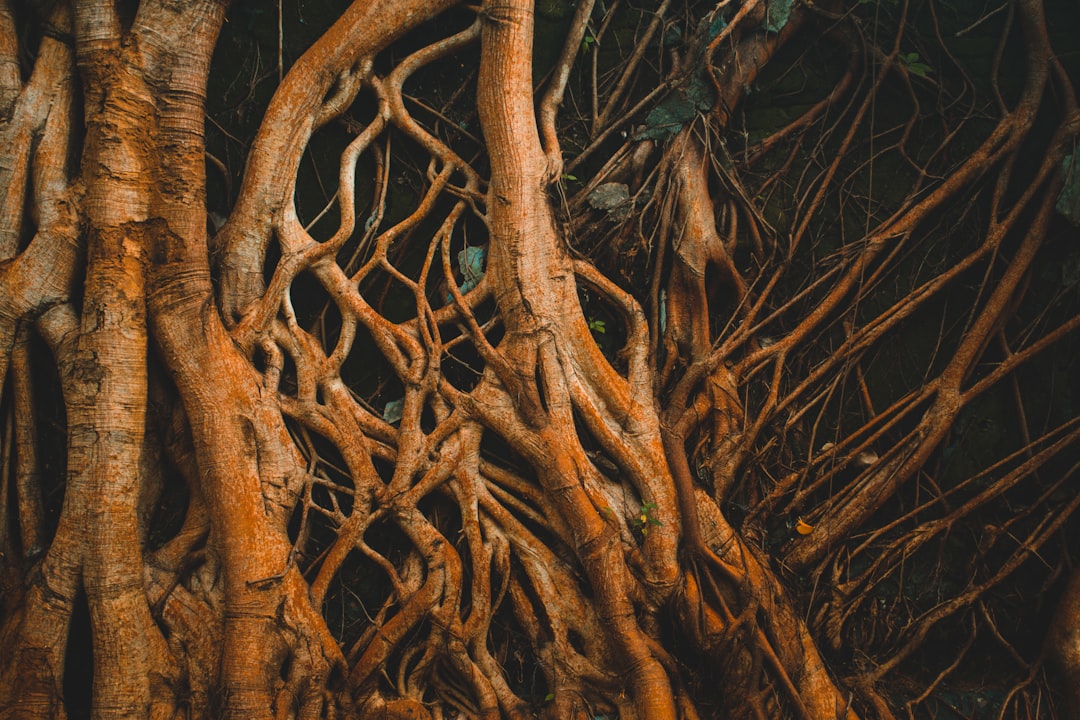
Step 1: Remove the plant from the pot. Turn the pot upside down and tap the sides. Pull the plant out by the base of the trunk. Do not pull by the leaves. The leaves will tear off. You need the whole plant, caudex and all, out of the pot. Inspect the roots. Healthy roots are firm and white or tan. Dead roots are soft, dark, and mushy. They will smell like sewage. This is the smell of anaerobic bacteria. This is the smell of rot.
Step 2: Cut away all dead roots. Use clean, sharp scissors. Cut away every root that is soft, dark, or mushy. Do not be gentle. Do not save any dead tissue. The rot will spread back up the stem if you leave even a single dead root. Cut until you only see firm, white, or tan roots. If the stem itself is soft and dark, you have to cut the stem back to where it is firm again. This is the hard part. You have to cut back the plant to save it. The plant will look like a stick. That is fine. The plant is alive. The caudex is still holding water. The plant will grow new roots from the cut stem. But it will not grow new leaves until the roots are back.
Step 3: Repot in a gritty mix. Do not use standard potting mix. Do not use peat moss. Do not use coco coir. Use a mix that drains instantly. A 50/50 mix of perlite and orchid bark is perfect. Or a 50/50 mix of pumice and coarse sand. Or a 50/50 mix of lava rock and perlite. The goal is to create a mix that holds almost no water. The money tree will survive. The money tree will thrive. The money tree will not rot.
After repotting, do not water the plant. Wait two weeks. Then water it lightly. Then wait another two weeks. Then water it lightly again. The plant does not need water. The plant needs air. The plant will survive on the water stored in its caudex. The plant will grow new roots. The plant will grow new leaves. The plant will recover. But you have to stop watering it until it tells you it is ready.
How to Water a Money Tree Without Killing It
Once the plant has recovered, you have to change how you water it. The money tree does not need frequent water. The money tree needs deep, infrequent water. The rule is simple: wait until the soil is completely dry. Then wait another week. The plant will tell you when it is ready. The leaves will droop slightly. The caudex will feel slightly softer. This is the signal. Water it. Then wait.
Do not water on a schedule. Do not water once a week. Do not water once a month. Water when the plant tells you it is ready. The plant will tell you. The plant will droop. The plant will look thirsty. The plant is telling you to water it. Water it. Then wait. The plant will grow. The plant will thrive.
This is the hardest part. This is the part that kills money trees. You have to stop watering it. You have to trust the plant. You have to trust the caudex. You have to trust the roots. The plant will survive.
Why Standard Potting Mix Is a Death Sentence
Most money trees are sold in standard potting mix. Standard potting mix is designed for tropical understory plants. Standard potting mix holds water. Standard potting mix breaks down over time. Standard potting mix stays wet for weeks. A money tree planted in standard potting mix will rot within six months. The plant will die. The plant will rot. The plant will drop its leaves.
When you buy a money tree, you have to repot it immediately. You have to repot it in a gritty mix. You have to repot it in a mix that drains instantly. You have to repot it in a mix that holds almost no water. The plant will not rot. But you have to repot it immediately.
This is the single most important thing you can do for your money tree.
If you do not repot your money tree, it will die.
The Honest Limits of This Advice
This advice works for money trees that are still alive. If the stem is completely black and mushy from top to bottom, the plant is dead. There is no saving it. If the caudex is completely soft and liquid, the plant is dead. If the roots are completely black and mushy, the plant is dead. If the plant is dead, throw it away. Buy a new one. Repot it immediately. Repot it in a gritty mix. Repot it in a mix that drains instantly.
This advice also works for money trees that are in standard potting mix. If your money tree is in standard potting mix, repot it immediately.
This advice does not work for money trees that are in direct sun. Money trees need bright, indirect light. If your money tree is in direct sun, move it. Move it to a bright, indirect location. Move it to a window with a sheer curtain. Move it to a north-facing window. Move it to a room with a grow light. The plant will not burn. But you have to move it immediately. You have to move it to a bright, indirect location. You have to move it to a north-facing window. You have to move it to a room with a grow light.
Money trees need warmth. If your money tree is in a cold draft, move it. Move it away from the window. Move it away from the door. Move it away from the air conditioner. Move it away from the heater. The plant will not freeze. You have to move it away from the window. You have to move it away from the door.
Money trees need bright light. If your money tree is in low light, move it. Move it to a bright location. Move it to a window. The plant will not stretch. You have to move it to a window.
Money trees need low humidity. If your money tree is in high humidity, move it. Move it to a dry location. Move it to a room with a dehumidifier. Move it to a room with a fan. You have to move it to a dry location. You have to move it to a room with a dehumidifier.
Money trees need high humidity. Move it to a humid location. Move it to a bathroom. Move it to a kitchen. Move it to a room with a humidifier. The plant will not dry out. You have to move it to a humid location. You have to move it to a bathroom. You have to move it to a kitchen.
Sources & Further Reading
- Pachira aquatica — Royal Horticultural Society
- Money Tree (Pachira aquatica) Care — Penn State Extension
- Pachira aquatica: Money Tree — NC State Extension
Photo by Arun Geetha Viswanathan on Unsplash.