The white powder on your hostas is not a fungus. It is a living colony of algae, and treating it with fungicide is like using a fire extinguisher on a drought. The white dust you see is actually Oidium, a genus of algae that thrives in the exact conditions gardeners assume are too wet for it: high humidity, poor air circulation, and shade. Understanding this biological switch is the only way to stop the white spots from returning next season.
When you see a fine, white, talcum-powder dusting on the upper surface of a leaf, your first instinct is to reach for a fungicide. You spray, you wait, and two weeks later, the white spots are back. This happens because powdery mildew is one of the most misdiagnosed problems in home gardening. The visual similarity is nearly perfect, but the underlying biology is completely different. Fungi and algae are distinct kingdoms of life with entirely different survival strategies. Treating an algal bloom with a fungicide is a waste of money, and more importantly, it fails to address the environmental triggers that allow the algae to colonize your plants in the first place.
How to Tell Algae from Fungus
The difference between powdery mildew (a fungus) and algal leaf spot (caused by algae like Cephaleuros) comes down to three concrete details: where the spots grow, how they feel, and what they look like under magnification. Fungal powdery mildew is an obligate parasite. It cannot survive without a living host, so it grows exclusively on the upper surface of leaves and never on the soil. It spreads through the air as microscopic spores, creating a dusty, matte finish that you can sometimes brush off with your thumb, leaving a clean green patch underneath.
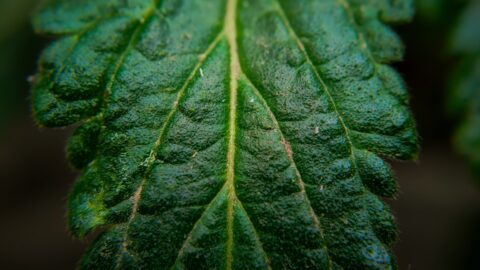
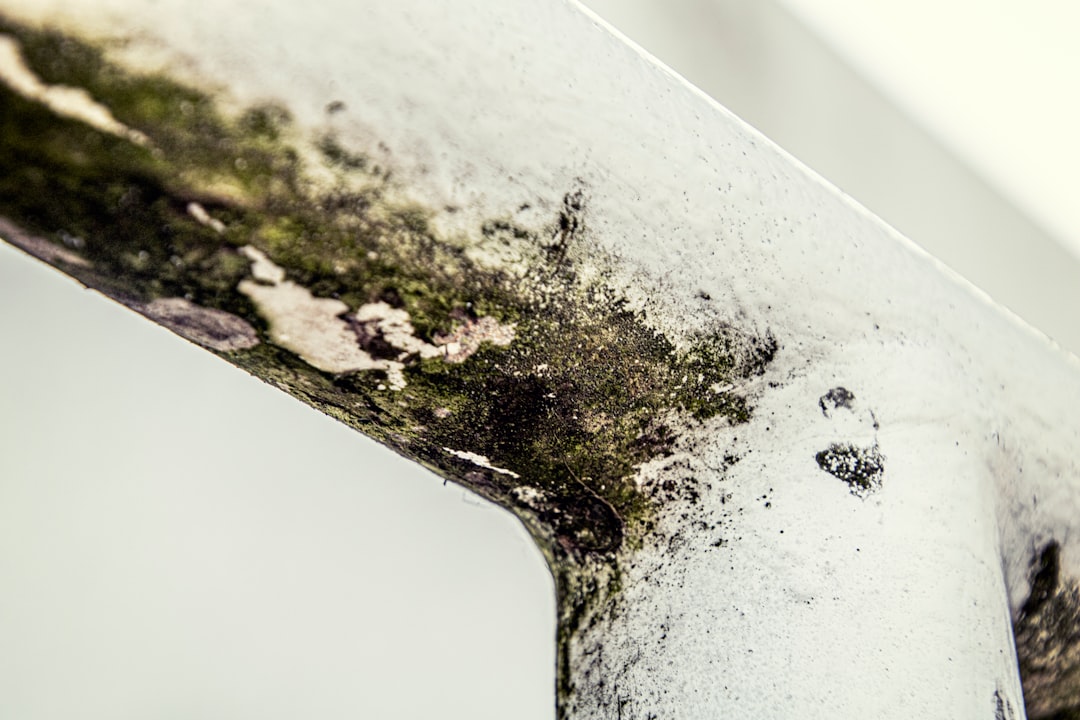
Algal leaf spot, on the other hand, is a photosynthetic organism. It does not need to parasitize the plant to survive; it just needs light and moisture. This is why algal spots often appear on the lower surfaces of leaves, on stems, and even on the shaded sides of tree trunks. If you scrape an algal spot, it does not turn to dust. It feels slightly fuzzy or velvety, and under a hand lens, the individual spots look like tiny, distinct green circles with a white, cottony center, rather than a continuous, spreading white film. The Royal Horticultural Society notes that algal leaf spot is most common on broad-leaved evergreens like rhododendrons and camellias, but it frequently appears on hostas, hydrangeas, and even tomatoes when the weather turns persistently cool and damp.
Why Your Garden Is Feeding the Algae
Algae do not attack healthy plants out of malice. They colonize the areas where your garden’s microclimate has created a perfect storm of moisture and shade. The primary driver is water retention. When you water from above, or when your plants are crowded so tightly that air cannot move between the leaves, the upper surfaces of the leaves stay wet for hours after the rain or your sprinkler turns off. Fungi hate standing water; algae love it. This is the exact reason why your fungicide fails. You are trying to kill a plant that is essentially just soaking up the sun and the humidity.
The second driver is shade. Algae are photosynthetic. They need light to grow, but they do not need the intense, direct UV radiation that most garden plants require. They thrive in the filtered, indirect light of a dense perennial border or the shaded side of a north-facing wall. If your plants are growing in 4 to 6 hours of shade, and the air is still, you are building an indoor greenhouse environment on an outdoor leaf. The algae are not invading; they are simply taking advantage of an open window.
The third driver is excess nitrogen. High-nitrogen fertilizers push plants into rapid, succulent growth. This new growth has thinner cell walls and a higher water content, making it much easier for surface organisms to establish themselves. If you have been feeding your plants heavily with a high-nitrogen synthetic fertilizer, you are essentially marinating your leaves in a buffet for algae. This is why organic gardeners often see fewer algal spots, not because their plants are magically immune, but because their slower-growing plants have tougher, more resistant leaf surfaces.
How to Actually Fix Algal Leaf Spot
Because algae are photosynthetic, you cannot kill them with a standard fungicide. You have to change the environment so they can no longer survive. The fix is not chemical; it is architectural. The first step is physical removal. If the spots are concentrated on a few lower leaves, prune them off and dispose of them. Do not compost them. This immediately reduces the total biomass of the algae colony and gives the remaining leaves a fighting chance.
The second step is airflow. This is the hardest step for gardeners who love dense, lush borders. You must thin your plants. Remove the inner branches and crowded stems to allow air to move through the canopy. If you are growing tomatoes, prune the suckers. If you are growing hostas, space them out. If you are growing rhododendrons, trim the lower branches back to the main trunk. You want the leaves to dry completely within two hours of rain or watering. This is the single most effective way to stop the algae from spreading.
The third step is watering technique. Never water from above. Use a soaker hose or drip irrigation to wet the soil, not the leaves. If you must hand-water, use a watering can with a long spout and aim directly at the base of the plant. This keeps the leaves dry and breaks the primary survival mechanism of the algae. If the leaves never stay wet for more than a few hours, the algae colony will starve and eventually die off on its own.
If the infestation is severe, and you need a chemical intervention, you can use a copper-based spray. Copper is a broad-spectrum biocide that kills both fungi and algae. However, copper is toxic to soil life and can build up in your soil over time. Use it only as a last resort, and only on the specific plants that are heavily affected. A better alternative is a horticultural oil spray, which physically smothers the algae without harming the plant. Apply the oil in the early morning or late evening when the sun is not directly hitting the leaves, to avoid burning the foliage.
When to Stop Worrying
Algal leaf spot is almost always a cosmetic issue. It rarely kills the plant, though it can reduce its overall vigor by blocking sunlight from reaching the leaf surface. If your plant is still producing new leaves, and the overall shape is healthy, you can often just let it be. The algae will naturally die back in the late summer or early fall when the weather turns dry and the air circulation improves. Your job is not to eliminate every single white spot, but to prevent the colony from overwhelming the plant’s ability to photosynthesize.
By understanding that the white powder is algae, not fungus, you stop wasting money on sprays that do not work. You start looking at your garden’s microclimate, your pruning habits, and your watering schedule. You fix the environment, and the algae will disappear. This is the difference between fighting a symptom and solving the problem.
Frequently Asked Questions
Can I use baking soda to get rid of algal leaf spot?
Baking soda is a mild fungicide. It will not kill algae. In fact, the sodium in baking soda can build up in your soil and harm your plants over time. Stick to pruning and airflow instead.
Does algal leaf spot spread to other plants?
Yes, but only to plants that share the same microclimate. If you have a dense, shaded, humid corner of your garden, the algae will spread to every plant in that corner. It will not jump to a sunny, well-ventilated vegetable garden.
Is algal leaf spot dangerous to eat?
No. If you see algal spots on the leaves of your herbs or vegetables, simply wash the leaves thoroughly before eating. The algae itself is harmless, though it can make the leaves taste slightly bitter if left unchecked.
Sources & Further Reading
- Algal Leaf Spot (Cephaleuros) — Royal Horticultural Society
- Algal Leaf Spot — University of Minnesota Extension
- Algal Leaf Spot of Rhododendron and Camellia — Virginia Tech Extension
Photo by michael schaffler on Unsplash.