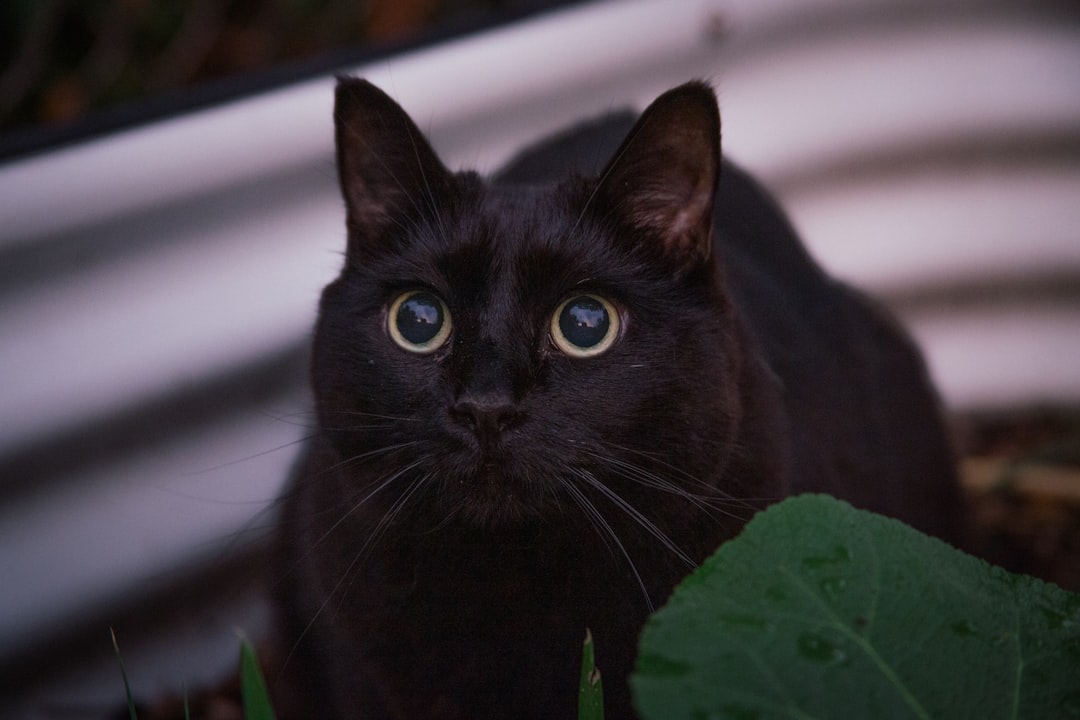
Walk through any productive garden at dusk and you will hear the low, guttural thrum of a cat before you see it. It is not the sound of a house cat curled on the sofa. It is the sound of a predator on patrol. A feral or semi-feral cat in your garden is not a nuisance to be tolerated. It is the single most effective, self-sustaining pest management system you can install, operating on a schedule you cannot afford to buy.
Your garden is under constant siege. Every square inch of soil is a buffet for voles, mice, and the larvae of destructive moths. You spend hours setting traps, buying sprays, and pulling weeds, yet the damage persists. The reason is simple: you are trying to manage a biological system with chemical and mechanical tools, while nature has already provided a biological solution that requires zero maintenance. That solution walks, runs, and hunts on four legs.
The Invisible War Beneath Your Lawn
Most gardeners do not realize how much damage small mammals inflict on their gardens each season. A single pair of meadow voles can consume up to 15 pounds of plant material in a single winter, stripping bark from young trees and chewing through the crowns of perennials. They are not just eating your plants; they are destroying the root systems that keep them alive. Meanwhile, mice carry the eggs of the rose chafer and the larvae of the Japanese beetle, spreading the very pests you are trying to eradicate.
When you set a snap trap, you are reacting to a problem that has already occurred. You are cleaning up the mess. A cat, however, prevents the mess from happening in the first place. A single female feral cat can produce two litters of four to six kittens in a single breeding season. Those kittens grow into hunters that patrol a territory of roughly one to two acres. That is a massive area covered by a small group of animals that do not require food, water, or shelter from you.
The ecological impact of this predation is staggering. A one study in the journal Biological Conservation by one team-roaming cats in suburban landscapes reduce the population density of small mammals by up to 40% compared to areas without feral cats. This is not a minor fluctuation. This is a structural shift in the garden’s ecosystem that directly translates to healthier plants and fewer holes in your lawn.
Why Sprays Fail and Snakes Struggle
Consider the alternative. You buy a bottle of slug bait. It sits on the shelf, waiting for you to sprinkle it around your hostas. It is expensive, it is toxic to the environment, and it only works when the slugs are actively feeding. What happens when it rains? The bait washes away. What happens when the slugs retreat into the soil? The bait does nothing. You are fighting a losing battle against a pest that adapts faster than you can buy new products.
What about snakes? Many gardeners welcome garter snakes as natural pest control. They are beneficial, yes, but they are also cold-blooded. In the early spring, when the soil is still cool and the slugs are most active, snakes are sluggish and slow to hunt. They cannot keep up with the rapid reproduction rate of slugs and mice. A cat, being warm-blooded, hunts year-round. It does not hibernate. It does not slow down when the temperature drops. It continues to patrol its territory, keeping the pest population in check even in the depths of winter.
Furthermore, snakes are vulnerable to the same traps and poisons you use for rodents. A cat is far more resilient. It can evade a trap that would catch a snake, and it is less likely to be accidentally poisoned by the rodenticides you might use elsewhere in the garden. This resilience makes the cat a more reliable and consistent form of pest control over the long term.
The Cat as a Biological Filter
Think of the cat as a biological filter. It sits at the top of the garden’s food chain, filtering out the pests that would otherwise overwhelm your plants. It is a self-regulating system. When the pest population increases, the cat’s hunting success rate increases, and the pest population decreases. When the pest population decreases, the cat may hunt less, or it may expand its territory in search of food. This natural feedback loop keeps the ecosystem in balance.
This is not a new concept. For centuries, barn cats and farm cats have been used to protect crops and livestock from rodents. The practice is so effective that it is still used on many modern farms today. The Royal Society for the Prevention of Cruelty to Animals (RSPCA) notes that cats are highly effective at controlling rodent populations in agricultural settings, often reducing crop damage by up to 50%. This demonstrates the cat’s innate hunting abilities and its ability to adapt to different environments.
But there is a catch. You cannot just bring a cat into a garden and expect it to work. The cat must be established in the area. It must have a reason to stay. If you simply release a cat into a new garden, it will likely wander off in search of food and shelter elsewhere. You need to create an environment that encourages the cat to make your garden its home.
How to Encourage the Right Cats
The first step is to provide shelter. Cats need safe places to hide from the elements and from larger predators. A simple wooden box with a small entrance hole, placed under a deck or in a dense shrub, can serve as a perfect shelter. Make sure the box is elevated off the ground to keep it dry, and line it with straw for insulation. Do not use hay, as it can mold and attract pests.
Next, provide a source of fresh water. A shallow dish filled with clean water, changed daily, can be a major draw for cats, especially during hot summer months. Place the water source away from your main garden beds to avoid attracting pests like mosquitoes.
Finally, do not feed the cats. This is counterintuitive, but crucial. If you feed the cats, they will become dependent on you. They will stop hunting, and they will stay in one place, waiting for food. This defeats the entire purpose of having them in your garden. Instead, let them hunt. Let them earn their keep. This will ensure that they remain active and effective pest controllers.
However, there is a limit to this approach. If the cat population becomes too large, they may start to hunt birds and other small wildlife, which can have a negative impact on your garden’s biodiversity. To prevent this, it is important to spay and neuter the cats. This will help to control the population and ensure that the cats remain healthy and active hunters.
The Hidden Costs of Ignoring the Cat
Many gardeners view cats as a nuisance. They knock over pots, dig up seedlings, and leave unsightly holes in the lawn. But these are minor inconveniences compared to the damage caused by rodents and slugs. A single vole can destroy an entire bed of strawberries in a single night. A single slug can decimate a bed of hostas in a single week. The cost of replacing these plants far outweighs the cost of tolerating a few holes in the lawn.
Furthermore, the use of chemical pesticides and rodenticides has a significant environmental impact. These chemicals can contaminate soil and water, harming beneficial insects, birds, and other wildlife. By relying on cats for pest control, you are reducing your reliance on these harmful chemicals, creating a healthier and more sustainable garden ecosystem.
Consider the case of a suburban garden in Portland, Oregon, where the local community worked with a local animal welfare organization to establish a managed colony of feral cats. The result was a 30% reduction in rodent-related plant damage within the first year. The gardeners reported fewer holes in their lawns, healthier trees, and more vibrant flower beds. This is a real-world example of the power of biological pest control.
When the Cat Fails
There are times when a cat will not be enough. If your garden is heavily infested with slugs, for example, a cat will not eat them. Slugs are not a natural part of a cat’s diet, and most cats will simply ignore them. In these cases, you will need to supplement the cat’s efforts with other methods, such as copper tape or beer traps.
Similarly, if your garden is located in an area with a high population of coyotes or foxes, the cats may be at risk. These larger predators will hunt the cats, reducing their effectiveness as pest controllers. In these cases, it is important to provide adequate shelter and to monitor the cat population closely.
Ultimately, the decision to embrace cats in your garden is a personal one. It requires a shift in perspective, from viewing cats as pests to viewing them as partners. It requires a willingness to tolerate a few minor inconveniences in exchange for a healthier, more sustainable garden. But for those who make the shift, the rewards are immense. A garden with cats is a garden that is alive, dynamic, and self-sustaining. It is a garden that works with nature, rather than against it.
Sources & Further Reading
- Free-roaming cats suppress urban wildlife: A meta-analysis — Biological Conservation
- The Role of Cats in Agricultural Pest Control — Royal Society for the Prevention of Cruelty to Animals (RSPCA)