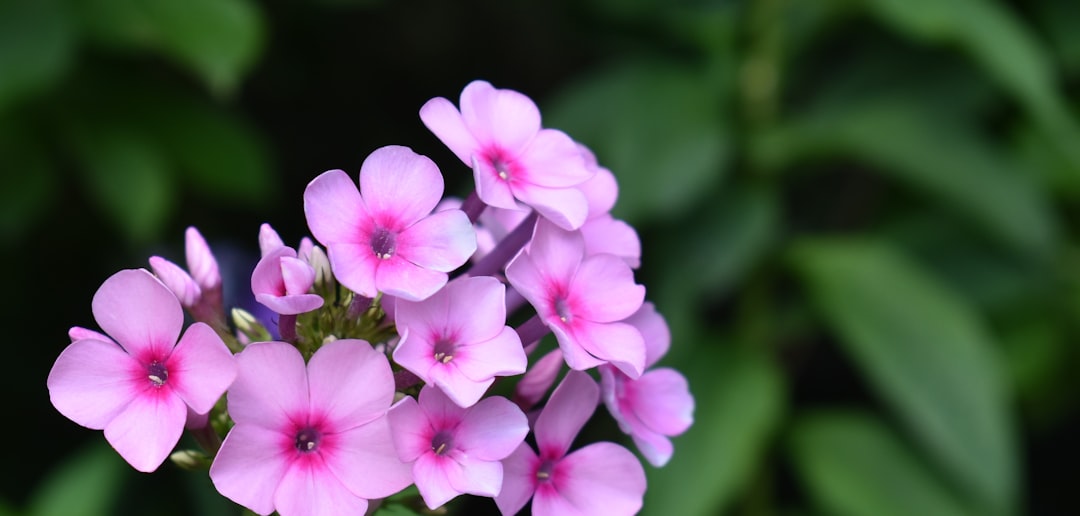
Moss phlox does not need seeds to take over your border. A single plug of Phlox subulata can generate a dense, self-shading mat in two years that starves every other plant within a three-foot radius. The plant you planted as a gentle accent has become the dominant species, and it is doing so without dropping a single seed pod.
This is the most common failure in perennial bed design. You buy three small plugs, space them eighteen inches apart, and expect a soft wash of spring color. Instead, you get a monoculture. The phlox does not wait to reproduce. It reproduces by vegetative expansion, sending out horizontal stems that root instantly wherever they touch the ground. The resulting mat is so dense and so low to the earth that it blocks sunlight from reaching the soil surface, preventing the seeds of neighboring plants from ever germinating.
The mechanism behind this takeover is simple but ruthless. Phlox subulata is a prostrate perennial. Its stems grow outward from the crown, arching down to the soil, sending out adventitious roots at every node. Each rooted node becomes a new crown. Each new crown sends out more stems. The math is exponential. A single plug with six stems can double its ground cover every single growing season. Within three years, that single plug covers a six-foot diameter circle.
Most gardeners mistake this aggressive vegetative growth for a lack of vigor in their other plants. They add fertilizer. They check the soil pH. They wonder why their coreopsis or creeping thyme are failing. The problem is not the soil. The problem is the phlox. It is a biological monopoly, and it does not share resources.
The Physical Barrier of the Mat
The true weapon of moss phlox is not its roots, but its canopy. A mature mat forms a continuous, overlapping layer of needle-like leaves. This layer is incredibly dense. Light transmission through a mature mat drops to less than 5% of full sunlight. Most garden weeds and low-growing perennials require at least 10% to 15% of full sun to germinate and establish seedlings. The phlox mat effectively turns the soil surface into a dark, shaded basement.
Research into ground-cover competition confirms that dense, prostrate species like moss phlox suppress weed germination through light exclusion, not just chemical competition. A one study in Applied Soil Ecology demonstrated that dense ground covers reduce the germination rate of common weed seeds by over 90% simply by blocking the light cues required for germination. The phlox is not just growing. It is actively erasing the opportunity for other plants to exist in its footprint.
This means that planting companions directly beneath or immediately adjacent to a mature phlox patch is a losing strategy. You cannot plant creeping jenny, sedum, or even low-growing alyssum under a three-year-old phlox mat and expect them to thrive. The phlox will shade them out before they can establish a root system. The only plants that survive are those already established deep enough to push through the mat, or those planted in the gaps before the phlox closes.
When the Mat Dies: The Bare Soil Trap
Every ground cover has a lifespan. Moss phlox is no exception. After five to seven years, the center of the mat begins to die. The old stems rot, leaving a bare, woody core. This is the most dangerous phase for your garden design.
That bare core is a vacuum. It is a patch of exposed, fertile soil in the middle of a dense monoculture. Weeds, which have been suppressed for years, see this opening and rush in. Dandelions, chickweed, and crabgrass germinate in the bare center, taking advantage of the light and space. Because the surrounding phlox is so dense, you cannot easily pull these weeds without damaging the healthy outer ring of the phlox.
If you pull the weeds, you risk breaking the delicate outer stems of the phlox, creating more bare soil. If you leave the weeds, they eventually spread back into the healthy mat. This is the classic “dead center” problem that forces gardeners to replace their phlox every few years. The solution is not to replace the plant, but to manage the mat’s lifecycle proactively.
How to Control the Spread
You do not need to pull up your phlox. You need to change how you view its growth. Treat it not as a static plant, but as a living, expanding organism that requires physical containment. The most effective method is aggressive division. Every three to four years, dig up the entire mat. Cut it into quarters or eighths. Replant the healthy outer rings, and compost the dead, woody center. This resets the clock, giving you a fresh, vigorous mat that will not produce bare centers for another three to four years.
Alternatively, you can contain the spread by planting physical barriers. Bury a heavy-duty plastic or metal edging strip 6 inches deep around the perimeter of your phlox patch. This prevents the horizontal stems from rooting outside the designated area. You can still let the phlox expand within the barrier, but it will not invade your rose bed or your vegetable garden. This is a permanent solution that requires no annual maintenance beyond the occasional division.
Another option is to plant taller, more aggressive companions alongside the phlox. If you plant tall sedums, daylilies, or even low-growing shrubs directly next to the phlox, their root systems will compete for space and water, naturally limiting the phlox’s expansion. This is a biological containment strategy that works well in large borders where you want the phlox to bloom but not take over.
Choosing the Right Phlox
Not all moss phlox is created equal. Some cultivars are more aggressive than others. ‘Coral Carpet’ and ‘Scarlet Flame’ are known for their rapid spreading habit. ‘Peppermint’ is slightly slower but still vigorous. If you want a tighter, slower-growing mat, look for cultivars like ‘Stellar Pink’ or ‘Thomas William Pussey’. These varieties tend to form tighter clumps and are less likely to choke out their neighbors. Always check the specific growth habit of the cultivar you buy. A fast-spreading variety in a small bed is a recipe for disaster.
FAQ
How do I stop moss phlox from taking over my entire garden?
Install a physical barrier 6 inches deep around the perimeter of the planting area. You can also divide the mat every three to four years to reset its growth cycle and prevent bare centers.
Why is the center of my moss phlox dying?
This is a normal part of the plant’s lifecycle. After five to seven years, the center stems die and rot, leaving a bare woody core. This creates an opening for weeds to germinate. Dig up the mat, discard the dead center, and replant the healthy outer rings to restore vigor.
Can I plant other things under moss phlox?
No. A mature phlox mat blocks over 95% of sunlight. Most other plants will be shaded out and fail to thrive. Plant companions alongside the phlox, not under it, or accept that the phlox will be the only plant in that patch.
Is moss phlox invasive?
It is not legally invasive, but it is aggressively vegetative. It spreads rapidly by rooting at every node, forming a dense mat that excludes other plants through light competition. In small beds, it can behave like an invasive species by taking over all available space.
What is the best way to divide moss phlox?
Divide in early spring, just as new growth begins. Dig up the entire mat, cut it into sections, and discard the dead, woody center. Replant the healthy, green outer rings immediately. Water thoroughly to help the new divisions establish roots.
Sources & Further Reading
- Ground cover effects on weed germination and soil properties — Elsevier / Applied Soil Ecology
- Phlox subulata (Moss Phlox) – Plant Profile — United States Department of Agriculture (USDA)
Photo by Julie Blake Edison on Unsplash.