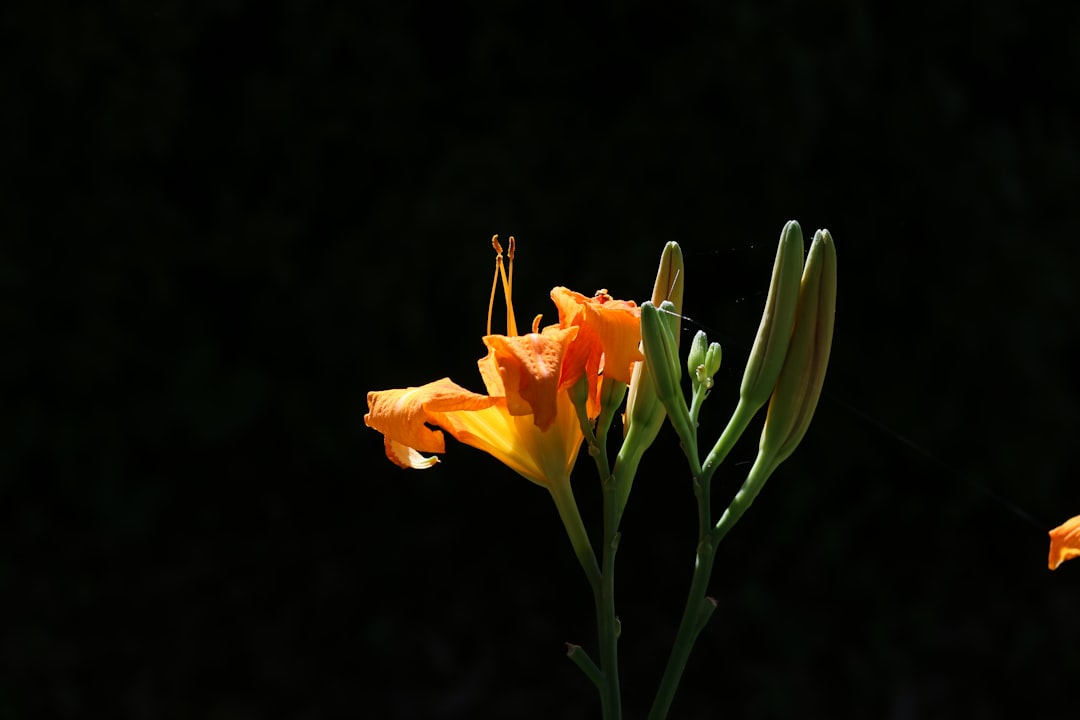
You are standing in your garden, the morning light just hitting the stalks of your Hemerocallis, when you notice it: a cluster of plump, green buds swelling at the tips of the stalks, only to turn brown, shrivel, and fall off before they ever crack open. It happens fast. One day the buds are firm and promising; the next, they are dry husks blowing in the wind. This is bud blast, and it is the single most frustrating thing a perennial gardener can watch happen.
Daylily bud blast is not a disease, and it is not a sign that your plant is dying. It is a physiological response to environmental stress, specifically a sudden shift in temperature, moisture, or nutrient availability during the critical three-to-four-week window before flowering. When the plant senses that conditions are no longer favorable for sustaining the energy-intensive process of blooming, it aborts the buds to conserve resources for its root system. Understanding exactly when and why this happens allows you to intervene before the buds drop.
The Three-Week Window of Vulnerability
Daylilies (Hemerocallis) do not bloom randomly. Once the plant commits to flowering, it enters a highly specific physiological phase that lasts roughly three to four weeks. During this window, the developing flower bud is drawing massive amounts of carbohydrates and water from the root system. It is essentially a miniature factory, processing energy into petals, pollen, and nectar.
If the environment changes drastically during this window, the factory shuts down. This is why bud blast rarely happens to established plants in stable climates, but it happens constantly to newly planted daylilies, or to plants that have just been moved from a nursery pot to the ground. The roots are not yet established enough to support the sudden demand of a large bloom. The plant makes a calculated decision: it is better to save the roots than to waste energy on a flower that might not survive the stress.
Water Fluctuation Is the Primary Trigger
The most common cause of bud blast is inconsistent watering. Daylilies are remarkably drought-tolerant once established, but they are not drought-tolerant when they are trying to bloom. If the soil dries out completely, even for 24 to 48 hours, during the bud development phase, the plant will abort the buds. Conversely, if the soil becomes waterlogged, the roots cannot take up oxygen, and the plant experiences root stress, leading to the same abortive response.
The goal is not to keep the soil constantly wet, but to keep it consistently moist. This means watering deeply and regularly during the spring and early summer, ensuring the soil does not dry out completely between waterings. If you live in an area with erratic spring weather, where dry spells are followed by heavy rains, you will likely experience bud blast. The solution is not to water more, but to water more consistently, using mulch to buffer the soil against rapid moisture changes.
Temperature Shocks and the ‘False Spring’
Daylilies are hardy perennials, but they are sensitive to rapid temperature fluctuations, especially in the early spring. A phenomenon known as a ‘false spring’ can trigger bud blast. If the weather warms up suddenly in March or April, the daylily breaks dormancy and begins pushing up flower stalks. Then, a hard freeze hits, killing the tender tissue of the emerging buds. The plant responds by dropping the damaged buds and trying to push new ones, often resulting in a delayed or shortened bloom season.
This is particularly common in USDA hardiness zones 4 and 5, where spring weather is notoriously unpredictable. To mitigate this, you can delay your spring fertilization and mulching until the threat of hard frost has passed. This keeps the plant in a slightly more dormant state, preventing it from pushing growth too early. Once the weather stabilizes, the plant will resume growth without the risk of freezing damage.
The Nitrogen Trap: Why Fertilizing Too Late Causes Bud Blast
Another major cause of bud blast is over-fertilizing with nitrogen during the blooming phase. Gardeners often see the lush green foliage of a daylily in late spring and assume it needs a boost of fertilizer. If you apply a high-nitrogen fertilizer at this stage, you are forcing the plant to produce more leaves and stems, rather than directing energy into the flower buds. This creates a physiological conflict: the plant is trying to bloom, but the excess nitrogen is telling it to grow vegetatively instead. The result is often bud blast, as the plant cannot support both processes simultaneously.
The solution is to fertilize daylilies early in the season, right after the snow melts and the shoots emerge. Use a balanced, slow-release fertilizer, or one that is slightly higher in phosphorus, which supports blooming. Once the flower stalks begin to emerge, stop fertilizing entirely. Let the plant focus its energy on the blooms it has already committed to.
When to Deadhead and When to Leave the Stalks
Once a daylily flower has bloomed and faded, it should be deadheaded. This prevents the plant from wasting energy on seed production and encourages it to focus on the remaining buds on the stalk. However, deadheading must be done carefully. If you pull the entire stalk, you risk damaging the remaining buds. Instead, simply pinch off the spent flower at its base, leaving the stalk intact.
If you are experiencing severe bud blast, you might consider removing the entire stalk if more than half of the buds have dropped. This allows the plant to redirect its remaining energy into the roots, which will help it recover and bloom better the following year. While it is heartbreaking to cut off the blooms, it is often the best way to save the plant for next season.
The Honest Limits: When Bud Blast Is Unavoidable
It is important to note that bud blast is not always preventable. If you are growing daylilies in a region with extreme weather fluctuations, or if the plant is severely root-bound in a container, bud blast may occur regardless of your care. In these cases, the plant is simply doing what it needs to do to survive. The goal is not to eliminate bud blast entirely, but to minimize it through consistent care and environmental management.
By understanding the three-week window of vulnerability, managing water and temperature consistently, and avoiding late-season nitrogen fertilization, you can significantly reduce the incidence of bud blast. This allows your daylilies to deliver the spectacular, long-lasting blooms they are famous for, season after season.
Sources & Further Reading
- Daylily Bud Blast: Causes and Prevention — Penn State Extension
- Growing Daylilies (Hemerocallis) — United States Department of Agriculture (USDA) Agricultural Research Service
- Daylily Culture — All-America Selections
Photo by Chulho Choi on Unsplash.