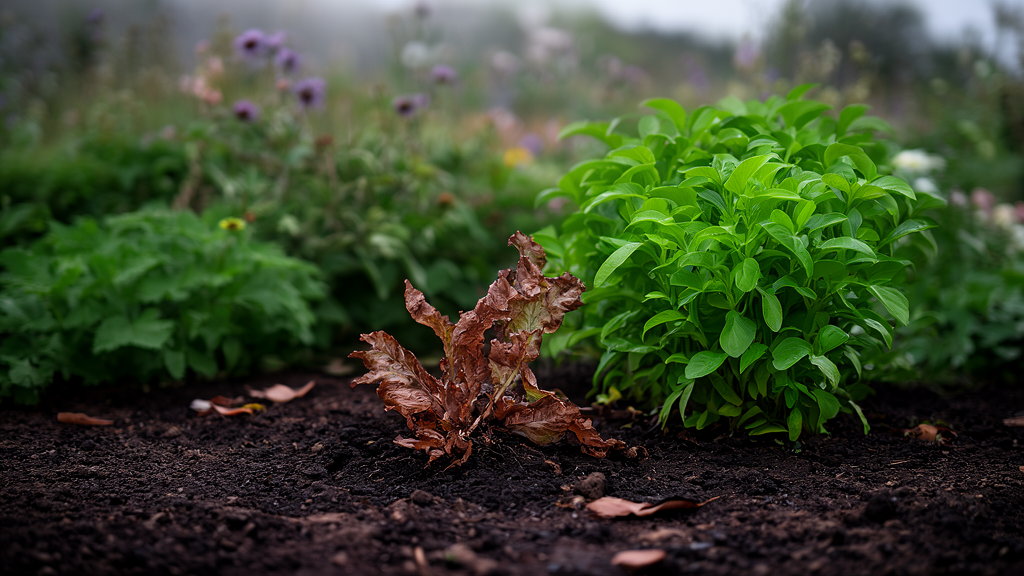
You bought the perennial at the nursery with the best intentions. You dug the hole, set the plant in, backfilled the soil, watered it, and walked away. Three weeks later, it’s brown, crispy, and dead. You’ve done this three times now, and you’re starting to think perennials are just a scam.
The problem isn’t your gardening skill. It’s that you’re watering perennials like annuals, and that habit is killing them from the crown down.
Perennials have a completely different root architecture than annuals, and they need a completely different watering strategy. Once established, most perennials are drought-tolerant. But during that first year, when they’re still building roots, they need consistent moisture. The trick is knowing exactly when to water, how much to water, and when to stop.
Why Perennials Die in the First Year
Most gardeners water perennials the same way they water tomatoes or peppers. They give them a deep soak every few days. That works for annuals because they have shallow, fibrous root systems that drink from the top six inches of soil. Perennials are different. They invest in deep taproots or thick rhizomes that can reach down two feet or more.
When you water a perennial frequently, you train its roots to stay shallow. They never push down. Then you plant it, water it regularly, and when the first dry spell hits, the plant has no deep roots to fall back on. It dies.
The real killer is crown rot. When you keep the crown (the base of the plant where the stems meet the soil) wet, fungal pathogens move in. Crown rot is why your perennial looks healthy for two weeks, then suddenly collapses. The leaves don’t wilt gradually. They turn brown and crisp overnight. By the time you notice, the crown is already mush.
The First-Year Watering Strategy
Here’s what actually works. Water deeply once a week for the first month. Then once a week for the second month. Then every two weeks for the third month. After that, you can drop to once a month or skip watering entirely, depending on your rainfall.
That’s it. That’s the entire strategy. Most gardeners water perennials every three days because they’re anxious. They see the top inch of soil dry out and panic. But perennials don’t care about the top inch. They care about the bottom foot of soil.
Here’s how to check if your perennial actually needs water. Stick your finger six inches into the soil. If it comes out dry, water. If it comes out damp, don’t. That’s the only test that matters.
Another trick: lift the plant gently. If the root ball pulls away from the soil, the plant is establishing. If it stays stuck, it’s still rooting. Keep watering. If the root ball is pulling away easily, you can start reducing water.
When to Stop Watering Perennials
Most perennials are drought-tolerant once established. That’s the whole point of planting them. But that doesn’t mean you can ignore them forever. It means you can water them less.
After the first year, water perennials only during extended dry spells. If you get less than an inch of rain per week, give them a deep soak. If you get more, skip it. Most perennials will thrive with zero supplemental water in a normal year.
The exception is clay soil. Clay holds water. If you’re planting in clay, you need to water less frequently, not more. Clay stays wet for days. Perennials planted in clay die from overwatering more often than drought.
Another exception is sandy soil. Sandy soil drains fast. Perennials planted in sand need more frequent water, even after the first year. But even then, deep infrequent watering beats shallow frequent watering. Always.
Soil Matters More Than Water
Your soil test’s pH number is the single most important value on the report. High NPK means nothing if your soil pH locks nutrients out. If your soil pH is off by even one point, your perennial won’t be able to access the nutrients it needs to build deep roots. That’s why your perennial dies in the first year, even when you water it perfectly.
Most perennials prefer a pH between 6.0 and 7.0. If your soil is below 6.0, add lime. If it’s above 7.0, add sulfur. Wait six weeks before planting. That gives the amendment time to react with the soil. Planting immediately after amending will burn the roots.
Another thing that matters: organic matter. Perennials need compost. Not a lot. Two inches worked into the top six inches of soil is enough. Too much compost will make the soil too rich, and the plant will grow too fast. Fast growth is shallow growth. Slow growth is deep growth.
What to Do When Your Perennial Dies
If your perennial died, don’t throw it away. Pull it up. Look at the crown. If the crown is brown and mushy, it’s crown rot. You can try to save it by cutting away the rot, but most perennials won’t recover. Replace it with a different species.
If the crown is firm and white, the plant died from drought. That means your soil was too sandy, or you didn’t water enough during the first month. Next time, water more frequently during the first month, then taper off.
If the leaves are yellow and the plant is stunted, it’s a nutrient issue. Check your soil pH. If the pH is off, fix it. If the pH is fine, add compost. If the plant is still stunted after six weeks, it’s probably the wrong plant for your soil type. Replace it.
The One Rule That Saves Perennials
Water deeply, infrequently, and only during the first year. That’s the single rule that saves perennials. Everything else is noise. Most gardeners fail because they water too much, not too little. They’re anxious. They see the top inch of soil dry out and panic. But perennials don’t care about the top inch. They care about the bottom foot of soil.
Once you stop watering perennials like annuals, they’ll thrive. They’ll send down deep roots. They’ll come back every year. They’ll get bigger. They’ll multiply. And you’ll stop buying replacements.